Ugly and Hairy Wolf Spider Redwork for Branded Merch
When I first opened the Ugly and Hairy Wolf Spider Redwork embroidery file, I had to pause. The name alone tells you this design is not trying to be cute. It is bold, unapologetic, and deliberately rough around the edges. As an embroidery designer who reviews files for small business merch and branded patch production, I look for designs that carry personality without sacrificing stitch integrity. This one delivers both. Let me walk you through what this design means for your shop, your brand, and your finished products.
First Impressions: Rugged Personality with Redwork Charm
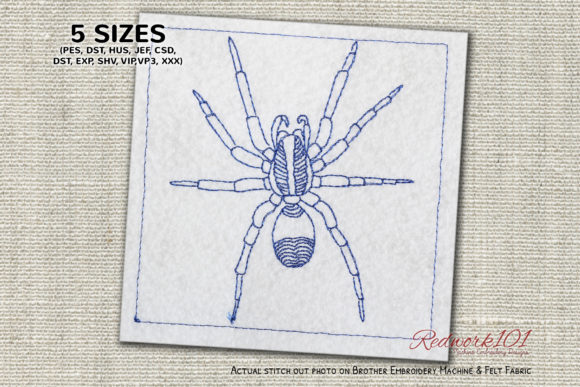
The Ugly and Hairy Wolf Spider Redwork design lands somewhere between rustic handmade and edgy modern. The redwork style — single-color stitching typically in red thread — gives it a vintage tattoo or folk art feel. The spider itself is described as ugly and hairy, which tells me the digitizer emphasized texture and irregular lines over a polished, cartoonish look. For a small business owner, this design reads as authentic and memorable. It does not blend in. Whether you run a coffee shop with a dark aesthetic, a handmade soap brand with a wild edge, or a pet boutique that wants something unexpected, this embroidery file gives you a conversation starter. The optional Box Stitch adds a framing element, but the description makes clear you can skip it if the outer box color does not match your brand palette. That flexibility matters when you are stitching across multiple product types.
Embroidered Patches for Merchandise and Branding
Patches remain one of the most versatile ways to use a machine embroidery design. The Ugly and Hairy Wolf Spider Redwork works beautifully as an embroidered patch sewn onto jackets, backpacks, aprons, and tote bags. Because it uses a single thread color for the main design, you can keep production simple and cost-effective. Patch production requires moderate stitch density — dense enough to cover the fabric substrate but not so heavy that the patch becomes stiff. Based on the spider detail implied by the title, I would test this design at a patch size of roughly 3 to 4 inches. The redwork style typically uses line work and shading stitches, which translate well to patch backing when paired with a hot cut or laser cut edge. For a small business, offering an embroidered patch as a free gift with purchase or as a low-cost add-on item can increase perceived value. I have seen cafes and bakeries use spider patches as limited-run merch for Halloween or fall seasons, and the response is always strong because it feels exclusive.
Custom Apparel: Uniforms, Staff Shirts, and Caps
If you run a business where staff wear uniforms — a local brewery, a plant shop, a bookstore, or a creative studio — the Ugly and Hairy Wolf Spider Redwork can serve as a chest logo or sleeve accent. The redwork aesthetic looks especially sharp on black, charcoal, or olive green apparel. I recommend testing the design on a cap front before committing to a full production run. Cap embroidery requires designs that sit well on a curved surface without distorting. The Box Stitch option may need to be omitted on caps if the curve causes the box to pull unevenly. For aprons, this design adds a tactile, handmade feel that customers associate with quality and care. A baker or florist wearing an apron with a subtle spider redwork logo tells customers this is a brand with personality. The single-color stitching keeps thread changes minimal, which speeds up production when you are running multiple units.
Tote Bags, Product Packaging, and Event Merch
Tote bags are a staple in small business merch. The Ugly and Hairy Wolf Spider Redwork stitches well on canvas and cotton tote materials. Because the design relies on redwork line work, it does not require heavy fill stitching that can distort on looser weave fabrics. I suggest using a medium-weight cutaway stabilizer to keep the spider legs crisp. For product packaging accents — think a small embroidered label sewn onto a handmade candle bag or a gift box — this design adds a tactile brand touch that printed labels cannot match. Event merch is another strong use case. If you sell at craft fairs, farmers markets, or pop-up shops, having a limited run of spider redwork patches or caps creates urgency. Customers love owning something that feels exclusive to your brand story. The Ugly and Hairy Wolf Spider Redwork fits that role perfectly because it is not generic.
Small Patch Sizes and Tiny Details
Not every application benefits from this design at a small scale. The Ugly and Hairy Wolf Spider Redwork includes details that suggest hairiness and leg texture. If you shrink the design below 2 inches, those details may blur or break apart. I recommend keeping the design at least 2.5 inches for the spider body and leg spread to remain readable. Test a small version on a scrap fabric before sewing it onto a finished product. If you need a tiny logo for a collar or cuff, consider using only a simplified element from the design rather than the full spider.
Curved Surfaces and High Stitch Density Zones
Cap fronts, sleeve cuffs, and curved bag panels require extra attention. The Box Stitch option, if used, creates a rigid border that may not conform well to curved surfaces. I advise skipping the box on caps and curved items. Also, if any part of the design has high stitch density — particularly around the spider body — the fabric may pucker or distort. Test on a curved surface using a firm stabilizer and a fresh needle. Dark uniforms can also be tricky. Redwork traditionally uses red thread, which can look stunning on dark fabric but may require a white bobbin thread or a heavier underlay to prevent the dark background from showing through. Always stitch a sample on the actual fabric you plan to use.
Items That Need Frequent Washing
For aprons, staff shirts, and tote bags that see regular washing, thread colorfastness and stabilizer choice matter. Red thread can fade over time if exposed to harsh detergents or high heat. I suggest using a high-quality polyester red thread that resists fading. A no-show mesh stabilizer works well for items that go through the wash, as it reduces show-through while keeping the stitches secure. The Ugly and Hairy Wolf Spider Redwork design, with its line-based construction, holds up well in the wash if properly stabilized. Avoid using tear-away stabilizer on items that will be washed frequently, as it can break down and cause the stitches to loosen.
Brand Identity and Customer Perception
Choosing the Ugly and Hairy Wolf Spider Redwork for your small business merch sends a clear message: you are not afraid to be different. This design leans into the unconventional, which appeals to customers who value authenticity over mass-market polish. For a coffee shop that roasts its own beans, a bookstore that stocks horror and fantasy, or a handmade brand that embraces imperfections, this design reinforces brand identity. It signals that your products are crafted with intention, not just ordered from a catalog. In my experience, customers remember a brand that uses unexpected imagery. A spider redwork logo becomes a talking point. It invites questions, shares, and repeat visits. The redwork style also connects to traditional embroidery techniques, which adds a layer of craftsmanship that elevates your product value. When customers see a well-stitched patch or apparel detail, they associate it with quality and care. That trust translates into higher perceived value and stronger brand loyalty.
Practical Embroidery Designer Notes
- Test in black and white first. Before committing to red thread, stitch the Ugly and Hairy Wolf Spider Redwork in black or white on a scrap fabric. This lets you evaluate the design clarity, stitch density, and overall shape without worrying about color compatibility. You can then decide if red is the right choice or if a different single-color fit your brand better.
- Check performance at small patch size. As mentioned, test at 2.5 inches minimum. If the legs become too thin or the detail disappears, scale up slightly or simplify the file. A blurred patch hurts your brand more than a larger design.
- Review thread color contrast. On light fabrics, red thread pops beautifully. On dark fabrics, ensure the red has enough saturation to stand out. If needed, use a white underlay or switch to a bright orange or neon red for better visibility.
- Inspect spacing and underlay. The Box Stitch may need extra spacing if you include it. Check that the spider legs do not touch the box border too closely, especially if the box is a different color. The description notes you can skip the box color if it is not part of the design, so use that option if spacing gets tight.
- Confirm hoop size. This design likely fits a standard 4x4 or 5x7 hoop, but always check the file dimensions before starting. If you use a smaller hoop, you may need to split the design or reduce scale. Planning ahead avoids wasted materials.
- Test on real fabric. Every fabric behaves differently. Test on your exact base material — canvas, cotton, polyester, denim — and use the same stabilizer you plan for production. Adjust tension and needle type as needed.
- Create a mockup for client approval. If you are producing this design for a client or as part of a branded line, use a printable mockup to show placement. A mockup helps clients visualize the final product and reduces the chance of revisions after stitching.
- Compare beside other design assets. If your brand uses other logos or artwork, stitch a sample next to them to ensure consistency in scale, style, and thread color. The Ugly and Hairy Wolf Spider Redwork should complement, not clash with, your existing design assets.
- Confirm commercial licensing. Before using any digital embroidery file for business merchandise, verify that your license covers commercial use. Some files restrict production quantity or require attribution. Check the terms so your business stays compliant.
Final Thoughts on the Ugly and Hairy Wolf Spider Redwork
The Ugly and Hairy Wolf Spider Redwork is not a design for every brand. It is for businesses that want to stand out, tell a story, and connect with customers through bold imagery. As an embroidery designer, I appreciate files that have clear personality and practical stitch considerations built in. This design delivers both. Whether you produce embroidered patches for your handmade product line, stitch it onto staff aprons for your café, or use it as a limited-run cap design, the result will be a finished product that feels intentional and memorable. Test it thoroughly, respect its quirks at small sizes, and let the redwork style do the heavy lifting for your brand identity. With the right preparation, this spider will earn its place in your small business merch rotation.