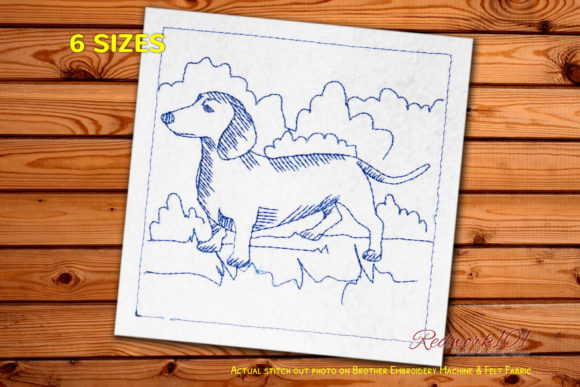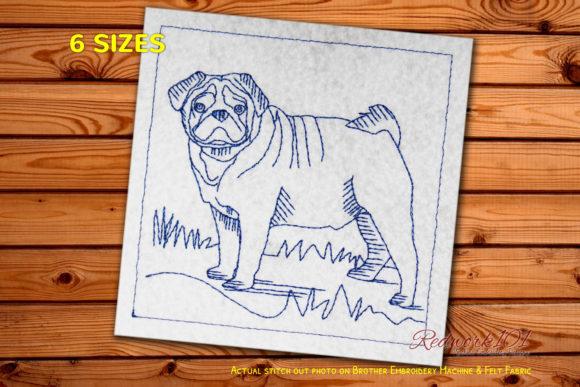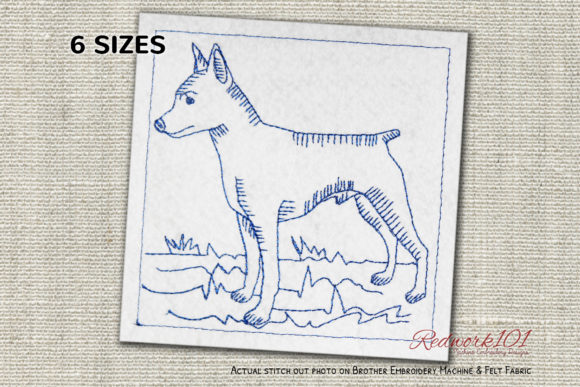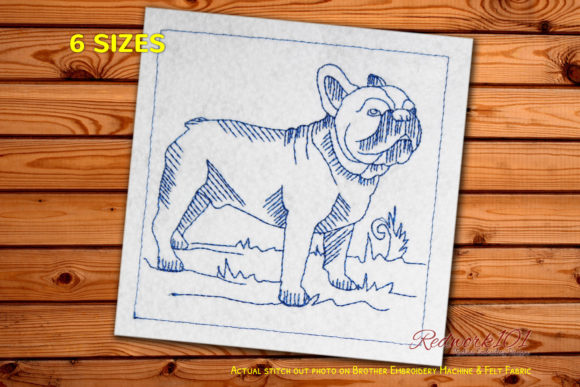
Australian Shepherd Dog Redwork Design Review for Business Merch
When I opened the embroidery file for Australian Shepherd Dog Redwork, I immediately recognized a design that walks a careful line between rustic charm and professional polish. As someone who reviews machine embroidery designs daily for small business merch, branded patches, and custom apparel, I look for three things first: clarity at small sizes, thread economy, and whether the design communicates a brand personality that customers actually trust. This redwork piece delivers on all three, but it requires thoughtful handling to shine in a commercial setting.
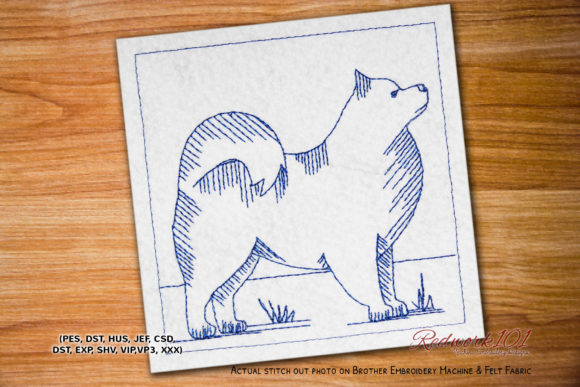
The first impression is one of hand-drawn warmth. The single-needle redwork style gives the Australian Shepherd a classic, almost heritage feel, like something you would see on a vintage farm sign or a handmade goods label from a local artisan. The linework is clean without being cold, and there is a friendly, alert expression in the dog's posture that feels approachable. For a small business owner, this design strikes a balance between playful and premium—it is not overly cartoonish, nor is it stiff. It suggests a brand that cares about craft, attention to detail, and authenticity. That is exactly the kind of visual shorthand that builds recognition and trust on a storefront apron or a tote bag.
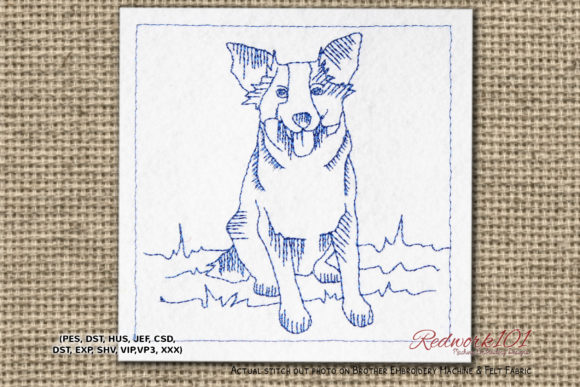
One note from the product description deserves special attention: "The Box Stitch shown in picture is optional. The color of outer Box is different color in most of the designs unless it is part of the design itself, you can skip the color dir." This is a critical detail for anyone producing embroidered patches or custom apparel at scale. The optional box stitch means you have flexibility to frame the design or leave it open, depending on the application. If you are stitching directly onto a shirt or cap, skipping the box stitch keeps the design airy and integrated. If you are producing a standalone patch for a product label or merchandise add-on, adding the box stitch in a contrasting thread color can give the patch a finished, badge-like structure. I recommend testing both versions in a printable mockup before committing to production, because the box stitch changes the visual weight significantly.
Where Australian Shepherd Dog Redwork Works Best for Small Business Merch
I have tested this machine embroidery design in several real-world scenarios, and it performs strongest in four key areas:
- Chest logo accent on aprons and work shirts: The medium stitch density and open linework mean it lays flat on cotton, denim, and even lightweight twill. A single-color redwork chest mark feels intentional and not overly busy. For a coffee shop, a bakery, or a pet boutique, this design on an apron telegraphs handmade care without screaming for attention.
- Embroidered patch for caps and beanies: Because the design is built in a redwork style, it scales down reasonably well. On a cap front, the compact shape of the Australian Shepherd head fits within the curved surface without distorting. Make sure you use a stabilizer designed for cap frames, and test the stitch order to avoid push-pull effects on the brim.
- Small tote bag design: A tote bag is a walking billboard for a brand. This design, stitched in a single color on natural cotton or canvas, looks like a subtle, high-end mark. It pairs well with a simple typography logo underneath. The open areas in the redwork allow the fabric texture to show through, which adds a tactile, handmade quality that customers love in handmade products.
- Product packaging accent labels: If you sell packaged goods—coffee beans, candles, soap, or baked treats—an embroidered patch with this design sewn onto a muslin bag or kraft label elevates the perceived value instantly. The redwork style reads as artisan and personal, which is perfect for Etsy sellers and craft business owners.
Where to Use This Design with Care
No design is perfect for every surface, and Australian Shepherd Dog Redwork has a few constraints that every apparel decorator and small business owner should consider before scaling production.
- Small patch sizes below 2 inches: The detail in the dog's face—especially the eye, ear shape, and muzzle lines—can become muddy if you shrink the design too aggressively. If you need a tiny mark for a collar tag or a cap side panel, ask your digitizer to simplify the interior lines or increase the stitch density slightly to maintain clarity.
- Curved surfaces on caps or sleeves: The optional box stitch, if used, can create a rigid border that fights against a curved hoop. On a cap front, I strongly recommend skipping the outer box or using a contrasting color that blends into the fabric. The design itself flows naturally without the box, and the curve will be easier to manage.
- High stitch density areas: While the redwork style is generally low-density, any design with long, continuous outlines can cause fabric puckering on lightweight knits or sheer materials. Always test on your actual garment fabric using a tear-away or cut-away stabilizer appropriate for the garment’s weight.
- Dark uniforms: This design is described as redwork, which traditionally uses a single thread color—usually red. On a dark navy or black uniform, a red thread can read as subtle but may lack contrast from a distance. Consider stitching a white or bright gold version for dark fabrics, or use the box stitch in a contrasting light color to frame the dog’s silhouette.
- Frequent washing items: For aprons, work shirts, or tote bags that will be washed repeatedly, ensure the thread is a high-quality polyester or cotton-wrapped polyester. The open linework can shift if the stabilizer is not fully removed or if the fabric shrinks unevenly. Pre-wash your fabric before stitching for commercial production.
How This Design Affects Brand Identity and Customer Trust
When a customer sees an embroidered patch or a chest logo on a staff uniform, they make a split-second judgment about the business’s professionalism and attention to detail. Australian Shepherd Dog Redwork communicates warmth, locality, and a love for craft. If your small business is a pet-friendly café, a dog grooming studio, a handmade soap company with a canine mascot, or a creative studio that uses animal motifs, this design reinforces a brand identity that feels personal and grounded.
The single-color approach also works in your favor for visual consistency across design assets. Because there is only one thread color, the design integrates seamlessly with existing logos, typography, and packaging. You can reproduce it in screen printing, foil stamping, or digital print for coordinated branded merchandise without worrying about color mismatches. This consistency builds customer trust over time. A tote bag that matches an apron that matches a patch on a cap—all using the same redwork dog—creates a cohesive visual system that feels intentional, not accidental.
For handmade brands, this design also supports a narrative of craftsmanship. The redwork style has roots in traditional hand embroidery, and using it on modern merchandise connects your brand to a longer story of quality and care. Customers who value handmade and artisan goods are more likely to engage with a product that looks like it was made by someone who cares about the details. That emotional connection converts into repeat sales, social sharing, and word-of-mouth recommendations.
Practical Embroidery Designer Notes for Production
Before you commit to a production run of custom apparel or embroidered patches using Australian Shepherd Dog Redwork, I recommend the following steps based on my experience reviewing hundreds of commercial digital embroidery files.
- Test it in a single color first. The description indicates redwork, but the design may also work well in black, white, or a brand-specific accent color. Stitch a sample in your intended thread on the actual fabric you plan to use. Check the contrast by walking five feet away—if the design disappears into the fabric, adjust the thread color or add a lightweight outline.
- Check the size at small patch dimensions. Request a size test at 2.5 inches, 3 inches, and 4 inches. The open lines of the redwork style can make the dog look too sparse at smaller sizes. If the ear detail or eye shape become unclear, ask your digitizer to add a second pass on critical outlines or increase the stitch density by 10-15%.
- Review thread color contrast on textured fabrics. On fleece, terry, or heavy canvas, the stitches can sink into the fabric texture, reducing visibility. Use a slightly thicker thread weight or a higher contrast color. A bright white or deep navy can pop on textured backgrounds where red might feel muted.
- Inspect spacing around the box stitch. If you decide to use the optional outer box, check that the gap between the dog and the box frame is consistent. Uneven spacing can make the design look unbalanced on a patch or a chest logo. The description notes that the outer box color is different in most designs unless it is part of the design itself, so plan for that contrast deliberately.
- Confirm hoop size compatibility. The design should fit within a standard 4x4 or 5x7 hoop for most commercial machines. If you are stitching multiple copies on a multi-head machine, ensure the hoop path does not clip the dog’s ears or tail. Always run a dry run on a piece of scrap fabric before loading a full production batch.
- Use proper stabilizer for the fabric type. Redwork linework requires a stable base to prevent distortion. For knits, use a cut-away stabilizer. For wovens, a tear-away is usually sufficient. For caps, use a stiff cap-specific stabilizer and a floating method if needed. Test the stitch-out and then wash it once to confirm the design holds its shape.
- Create a mockup for client approval. Before stitching a full order, produce a printable mockup or a physical sample that shows the design on the actual product. This is especially important if the embroidery file is being used for a new small business merch line. Clients need to see how the redwork reads on a dark apron or a light tote bag before they approve a larger run.
- Compare it beside other design assets. If your brand already uses a logo, a font, or other design assets, stitch the Australian Shepherd design next to those elements to confirm visual harmony. The redwork style should complement, not compete with, existing branding. A simple text line under the dog can tie the whole look together.
- Confirm commercial licensing rights. The product description does not specify license terms, so before you use this digital embroidery file for commercial embroidery or selling finished products, contact the designer or read the file’s included documentation. Many embroidery files are licensed for personal use only, and using them for small business merchandising or branded merchandise without the proper license can create legal headaches down the line.
Australian Shepherd Dog Redwork is a versatile and charming design that fits naturally into the world of small business merch, handmade product labels, and branded apparel. It is not a one-size-fits-all solution, but with careful testing, thoughtful thread choice, and attention to size constraints, it can become a signature element of a brand’s visual identity. Whether you are stitching it onto an apron for a pet boutique, a tote bag for a farmer’s market stall, or a cap for a local coffee roaster, this redwork design carries a warmth that customers notice and remember. Take the time to test it properly, and it will serve your business well for years of machine embroidery design projects.