Chirping Honey Bee: A Craft Fair Design Review
Why This Cute Bug Stands Out
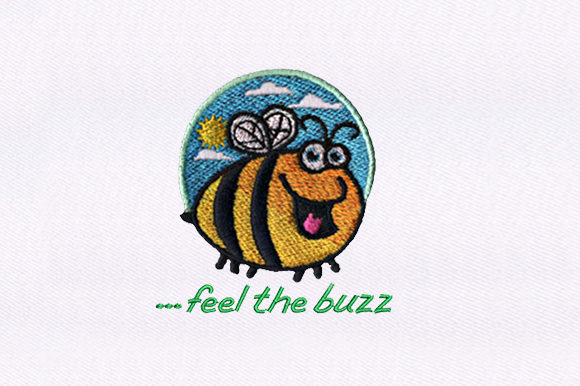
Let me paint you a picture. It is Thursday night, two days before the big spring craft fair. You are scrolling through digital embroidery files, looking for something fresh that will justify the booth fee. You land on Chirping Honey Bee. The name alone makes you smile. "Feel the buzz," it promises. As someone who has stitched thousands of designs for the handmade market, I can tell you that first impressions matter. This one is pure gold.
This is not just another Bugs category design. This is a character. The "chirping" aspect suggests a musical, joyful personality. It is the kind of machine embroidery design that stops customers mid-aisle and pulls them into your booth. First impression? It is cute, it is friendly, and it is highly sellable. In the world of craft fair products, you need items that communicate instantly. A happy bee with a song in its heart does exactly that. It transcends the typical bug embroidery and becomes a giftable moment.
Where Chirping Honey Bee Shines in Your Booth
Over the years, I have learned that a great design must adapt to multiple surfaces. The Chirping Honey Bee has the versatility needed for a profitable product lineup. Let's break down exactly where this design performs best.
Tote Bags and Market Bags
This is the natural home for a busy bee. A tote bag design featuring this character will be the star of your display. The high contrast of yellow and black pops beautifully against natural cotton canvas or denim. Customers looking for reusable grocery bags or gift totes will grab these immediately. I recommend hooping a 4x4 or 5x7 version of the Chirping Honey Bee and centering it on the front panel. It becomes a wearable piece of art.
Aprons and Tea Towels
Kitchen textiles are a staple for any handmade product lineup. Apron embroidery featuring this bee makes the cook feel like they are gardening or baking with a little friend. On a flour sack tea towel embroidery, the bee adds a farmhouse touch that sells out quickly. I would suggest adding a small bee to the corner of a towel or the chest pocket of an apron. It is subtle enough to be elegant but bold enough to be noticed.
Embroidered Patches
If you are looking for a low-cost, high-margin item for your booth, make patches. An embroidered patch of this bee will fly off your table. Patches allow customers to customize their own jackets, backpacks, and denim shirts. Because you can stitch several patches in one hooping session, this is perfect for batch production. The dense stitching required for a patch also enhances the "characterful" details of the design, making the bee look plush and premium.
Small Pouches, Caps, and Pillow Covers
The Chirping Honey Bee scales down nicely for smaller items. On a zippered pouch, it becomes a cosmetic bag or a pencil case. On a cap, the curve of the brim works well with the round shape of the bee's head. For a pillow cover, this design creates a charming accent piece for a porch swing or a child's reading nook. In every format, the happy expression of the bee carries the emotional weight of the product.
Technical Strengths and Production Realities
As an Etsy seller or small shop product creator, your time is money. The Chirping Honey Bee design appears to be digitized with efficiency in mind. The limited thread colors (likely yellow, black, and white) mean fewer thread changes and less waste. This is critical when you are running a batch of twenty items for a weekend market.
The design passes what I call the "glance test." From three feet away, a customer can see it is a bee, and they can see it is happy. That split-second recognition is what converts booth traffic into sales. Because it is a digital embroidery file, you can pull it up, resize carefully, and start stitching within minutes. The stitch density feels balanced – dense enough to cover the fabric but not so thick that it becomes a stiff, heavy patch unsuitable for soft clothing.
Careful Use Notes Every Embroidery Business Owner Needs
No design is perfect out of the gate without testing. Here are the critical points I evaluate before stitching a finished product for a client or a booth.
- Fabric Texture: On smooth cotton twill or linen, this design sings. However, on a thick, thirsty bath towel, you may lose the fine details of the eyes and the "chirping" musical notes. Always use a water-soluble topper on textured fabrics to keep the stitches crisp and the character's face readable.
- Dark Fabric: Yellow thread on dark blue or black fabric can disappear if the underlay is not sufficient. I recommend a dense white underlay beneath the yellow sections. If the embroidery file does not provide this, consider stitching the bee on felt or twill tape first and appliquéing it onto the dark item.
- Hoop Size and Scaling: You must confirm the native hoop size requirements of the design. If you try to squeeze a 5x7 design into a 4x4 hoop without proper software and resizing, you will distort the face. Keep the aspect ratio locked and test a small version on scrap fabric first.
- Stitch Density Check: If the bee has a solid, filled body, the stitch count might be high. High density is great for a patch but can cause puckering on lightweight blouses. Match your stabilizer to the fabric weight. For medium-weight cotton, a tear-away is often fine. For stretchy knits, use a cutaway stabilizer to support the stitching.
From Digital Embroidery File to Finished Product
Turning this design asset into a reliable seller requires a disciplined workflow. Here is my pre-production checklist for the Chirping Honey Bee.
- Test on Scrap Fabric: Before you touch your expensive tea towels or tote bags, stitch the bee on a scrap of similar weight fabric. Check the tension, the color alignment, and the overall look.
- Verify Commercial Licensing: This is the most critical legal step. You are buying the machine embroidery design to create products for sale. Read the commercial use policy carefully. Some licenses limit the number of finished product units you can sell. Respect the artist's terms.
- Create a Printable Mockup: For your online store or for displaying product options at your booth, a printable mockup is invaluable. Photograph a real stitched sample in natural light. This builds trust and shows the texture of the embroidery, which helps you stand out from digital-only sellers.
- Check Thread Contrast: Use a bright, vibrant yellow. A dull mustard yellow will make the bee look sad. The "chirping" aspects need to feel energetic. Pair it with a true, saturated black for the stripes and a bright white for the eyes and wings.
The Craft Fair Verdict
Let's talk about the customer. You are setting up your booth at 6 AM on a Saturday. The early birds are looking for gifts for garden parties, housewarmings, and baby showers. The Chirping Honey Bee appeals to a wide demographic. Little kids love the cute face. Grandmothers love the handmade quality. Young shoppers love the farmhouse aesthetic. This design bridges the gap between novelty and classic commercial embroidery.
The practical value here is undeniable. With just one embroidery file, you can produce a tote, a towel, a patch, a pouch, and a pillow. That range gives you a cohesive booth display. Group all your bee items together with a little sign that says "Bee Happy" or "Feel the Buzz." Bundling a tote with a matching towel can increase your average transaction value significantly.
My final assessment? Chirping Honey Bee is a five-star design for the handmade product market. It is practical to stitch, easy to sell, and emotionally engaging. If you are an embroidery business owner looking for a reliable bestseller for your next craft fair, download the file, thread your machine, and let this little bee work its magic. It is going to be a busy season.