Helper Angels Lineart: A Designer’s Review for Craft Fair Success
When I first opened the Helper Angels Lineart embroidery file, I immediately recognized its potential for craft fair and handmade market products. This design sits in a sweet spot between delicate and noticeable, offering a clean line art style that photographs beautifully for online listings and catches the eye on a busy booth table. As someone who regularly prepares embroidered inventory for weekend markets, I have developed a sharp sense for what sells and what sits. Helper Angels Lineart leans firmly into the sell category, and I will explain exactly why and how to make it work for your small shop.
First Impressions and Market Vibe
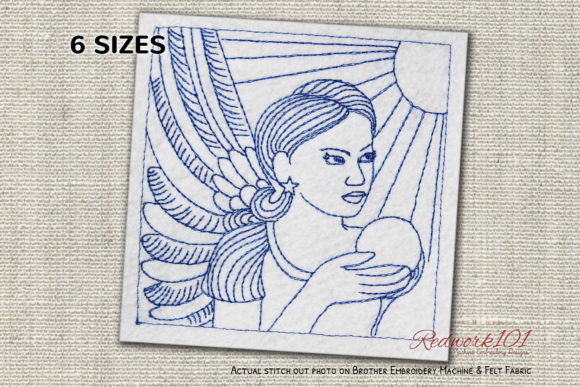
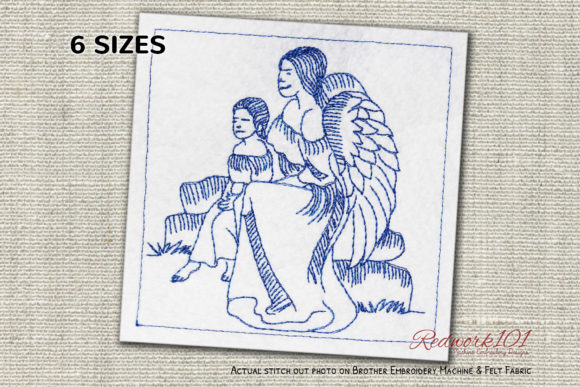
The design carries a soft, minimal, and slightly whimsical mood. It feels like something you would find in a modern farmhouse kitchen or on a gift for a new baby, a housewarming, or a thoughtful thank-you. The line art approach keeps it elegant without being too ornate, which means it appeals to customers who want handmade charm without overwhelming decoration. The optional Box Stitch mentioned in the description adds a framing element, and the fact that the outer box color can be skipped entirely gives you flexibility as a producer. This is an important detail: you are not locked into a specific border color, so you can adapt Helper Angels Lineart to match your brand palette or the fabric you are stitching on. For craft fair sellers, that kind of adaptability is gold.
Because the design belongs to the Fairy Tales category, it carries a subtle storytelling quality. Customers at markets love items that feel like they carry a little narrative or warmth. This is not a loud, trendy phrase design; it is a quiet, decorative piece that suggests comfort and care. It works well for Etsy sellers who want to offer something that feels personal and timeless rather than seasonal or faddish.
Where Helper Angels Lineart Shines on Products
I have tested similar line art designs on a range of blank goods, and I can see Helper Angels Lineart performing strongly across several product categories. Here is how I would position it for a craft fair booth:
- Tote bag design: Centered on the front panel of a natural cotton tote, this design reads clearly and gives the bag an artisan feel. Customers picking up tote bags at markets often look for something that looks handcrafted but not overly busy. Helper Angels Lineart fits that expectation perfectly.
- Apron embroidery: On a canvas or linen apron, the design works well as a chest or pocket placement. It adds a decorative element without interfering with the apron’s function. For craft fair booths featuring kitchen or cooking-themed items, this is a strong addition.
- Tea towel embroidery: This might be my favorite application. Line art on a tea towel looks crisp, and the fabric texture of quality linen or cotton towels holds the stitches well. Helper Angels Lineart as a small lower-corner design or centered near the hem makes a beautiful, giftable handmade product.
- Embroidered patch: If you produce patches for iron-on or sew-on application, this design works well as a standalone patch. It is simple enough to stitch cleanly on twill or felt, and the optional box stitch can serve as a natural patch border.
- Fabric pouches and small pouches: Cosmetic bags, pencil cases, and small zip pouches are popular at markets. The design’s proportions suit a smaller canvas, and it lifts the perceived value of a simple pouch.
- Pillow covers: For home décor products, Helper Angels Lineart on a throw pillow cover adds a soft, welcoming touch. It photographs well for Etsy listings and looks appealing in a booth display with other home goods.
- Market bags: Reusable market bags with an embroidered design sell well at handmade events. This design gives the bag a premium feel that customers notice.
Practical Selling and Production Points
Helper Angels Lineart is easy to understand at a glance. That is a major advantage at a craft fair, where customers walk past dozens of booths and make split-second visual judgments. The design does not require close inspection to read; the angel motif is recognizable, and the line art style feels clean and intentional. It works as both a small accent design and a larger focal piece, depending on how you scale it within your hoop size.
For batch production, this design is efficient. Because it uses line art rather than dense fills, you can stitch it relatively quickly. That matters when you are producing ten or twenty of the same item for a show. I recommend creating at least five identical pieces in your most popular product format so you have a consistent stack for your booth display. Customers respond to uniformity—it signals that you are a professional maker who cares about quality.
When photographing for Etsy listings, the design’s clear lines and open negative space make it easy to capture a clean product image. It does not require tricky lighting to show detail. You can shoot it on a plain background or styled in a lifestyle setting, and it will look polished.
Careful-Use Notes Before You Stitch
No design review is complete without honest caution about potential pitfalls. Here is what I want every embroidery business owner to consider before stitching Helper Angels Lineart:
- Dense stitch areas: Line art designs can sometimes concentrate stitches in tight corners or small details. Review the digitized file in your software before stitching. If you see areas where stitches overlap heavily, reduce density or test on scrap fabric first.
- Tiny details and small lettering: Based on the description, there may be fine elements in the design. If you scale the design down too small, those details can lose clarity. I recommend testing at your intended size on a similar fabric to the final product.
- Thick fabric: On heavy canvas or denim, line art stitches can sink into the fabric texture. Use a sharp needle and a stabilizer with enough body to keep the stitches raised. A tear-away or cut-away stabilizer works depending on fabric weight.
- Textured towels: Terry cloth or looped towels can cause line art stitches to disappear into the fabric surface. A water-soluble topper is your best friend here. Place it over the towel before stitching to keep the design crisp.
- Curved cap surfaces: If you plan to stitch Helper Angels Lineart on caps, test the design on a curved hoop. Line art can distort if the hoop does not hold the cap surface flat. Consider a smaller placement on the front panel rather than a side placement.
- Dark fabric: On black or navy fabric, line art in light thread colors stands out well, but thin lines may appear finer than on white. Increase stitch width slightly if your digitizing software allows, or choose a thread color with strong contrast.
- Smaller sizes: If you want to use Helper Angels Lineart as a tiny accent on a pouch or patch, test it first. Some line art loses definition below a certain size. Find the smallest hoopable size where the design still reads clearly.
Visual Appeal, Customer Attention, and Booth Display
At a craft fair, the goal is to stop people as they walk by. Helper Angels Lineart contributes to visual appeal in a quiet, confident way. It is not a shouty design, but it has a refined quality that buyers associate with handmade quality and thoughtful design. I would display it on a medium-toned fabric—natural linen, soft gray, or warm cream—to let the thread color pop without competing for attention.
When grouping products on a booth table, place your Helper Angels Lineart items at eye level or on a small riser. If you have a mix of tote bags, tea towels, and pouches, cluster them together as a coordinated set. That visual consistency builds brand consistency and encourages customers to see the design as a collection they can buy into. You can also offer custom color choices for the outer box stitch if you want to engage buyers in a conversation about their preferences—that interaction often leads to a sale.
The design also strengthens buyer engagement because it invites questions. Customers will ask, “Is that an angel?” or “What does the box stitch look like?” Those questions give you an opening to explain your process, your materials, and the care you put into each finished product. That human connection is what drives sales at handmade markets.
Practical Embroidery Designer Notes
Before you load up your machine and start production, here is a checklist based on my own workflow for Helper Angels Lineart:
- Test on scrap fabric: Always stitch a sample on fabric similar to your final product. Check stitch alignment, thread tension, and design clarity. Adjust if needed.
- Check thread contrast: The design’s line art style relies on clear contrast between thread and fabric. Test at least two thread color options and choose the one that reads best from a distance.
- Review spacing: Look at the negative space within the design. If the Box Stitch is included, ensure there is adequate breathing room between the border and the angel motif. Crowding can make the design feel cramped.
- Confirm hoop size: Verify that the embroidery file fits your hoop before you commit to production. If you need to resize, do it in your software and re-test.
- Inspect stitch density: Use your software’s density check tool. If any area exceeds recommended density for your fabric, adjust or plan to use a heavier stabilizer.
- Use the right stabilizer: For line art on stable fabrics, a medium-weight tear-away works well. For stretchy or textured fabrics, use cut-away stabilizer to prevent puckering.
- Create at least one real mockup: Stitch a finished product and photograph it for your printable mockup or Etsy listing. A real photo sells better than a digital simulation.
- Compare fabric colors: If you produce the same design on multiple fabric colors, test each one. A thread color that looks great on white may feel flat on gray or washed out on pastel.
- Confirm commercial licensing: Before selling any finished product featuring Helper Angels Lineart, verify the license terms of the digital embroidery file. Some designers allow unlimited commercial use, while others cap the number of products you can sell. Know your terms before your first market.
Final Verdict from the Booth
Helper Angels Lineart is a design I would confidently add to my craft fair rotation. It is versatile, customer-friendly, and practical to produce in volume. The optional Box Stitch gives you a way to differentiate your products—use it on some items, skip it on others, and see which your customers prefer. The design works across multiple product categories, from tote bag design to apron embroidery to tea towel embroidery, and it photographs well for online shops.
For Etsy sellers and small shop product creators, this is the kind of machine embroidery design that builds a cohesive brand identity. It is not a one-hit wonder; it is a steady seller that customers will recognize and return for. If you are preparing for your next market, stitch a few samples, set up a clean display, and let Helper Angels Lineart do the talking. It speaks the language of handmade care, and that is exactly what your booth needs.