Espresso Coffee: A Designer’s Review for Craft Fair Sellers
First Impressions of Espresso Coffee
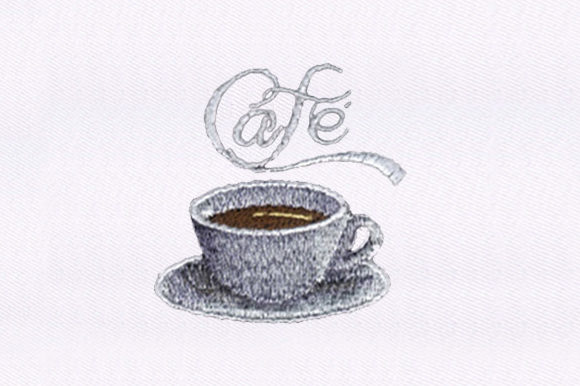
As an embroidery designer who has prepared countless booth displays for weekend craft fairs, I have learned to judge a machine embroidery design within seconds of opening the file. Espresso Coffee immediately struck me as a warm, bold, and reliably commercial motif. It carries a rustic yet polished feel—think farmhouse kitchen meets modern coffee shop aesthetic. The title alone suggests a design that coffee lovers will gravitate toward, and the Food category placement confirms its natural home on kitchen and café-themed products. In my experience, this kind of design sells because it taps into a lifestyle: the daily ritual, the comfort, the shared love for a good cup. It is not overly cute or whimsical; it feels grounded and premium, the kind of embroidery that looks equally at home on an artisan apron or a boutique tote bag.
Product Performance Across Handmade Market Favorites
When I evaluate a design for craft fair readiness, I run through my standard product lineup mentally. Here is how Espresso Coffee performs on the items that typically fill my booth table.
Tote Bags and Market Bags
This design works beautifully as a tote bag design. The espresso theme aligns perfectly with reusable grocery totes or farmers market bags. It has enough visual weight to serve as a central motif without overwhelming the bag’s shape. I would stitch it in a warm brown thread on natural canvas or cream-colored cotton. The design reads clearly from a few feet away, which is critical for catching a shopper’s eye as they walk past a booth. For a handmade product, it adds instant value—a plain tote becomes a conversation piece.
Aprons and Kitchen Towels
The apron embroidery potential here is strong. Whether it is a full-size chef apron or a half-apron for home bakers, Espresso Coffee lends a professional, welcoming touch. On tea towel embroidery, the design feels right at home. I would recommend a medium hoop size for tea towels so the motif sits proportionally. Customers browsing handmade markets often pick up embroidered towels as quick gifts, and a coffee-themed towel appeals to hosts, coworkers, and coffee enthusiasts alike.
Embroidered Patches and Caps
For sellers who produce iron-on or sew-on patches, Espresso Coffee translates well into a patch format. The design’s lines are distinct enough to hold up in a small patch, and it can be offered as a standalone item or as a kit with a plain cap. On curved cap surfaces, the design should be positioned on the front panels, and I would check the stitch density to make sure it does not pucker on structured brims.
Fabric Pouches, Pillow Covers, and Giftables
Small fabric pouches—for glasses, gadgets, or makeup—benefit from a compact embroidery file like this one. The design can scale down without losing its identity, which is a mark of good digitizing. For pillow covers, a single centered Espresso Coffee motif creates a cozy accent for a kitchen nook or café corner. These smaller items are excellent for lower price points at a craft fair, and they help fill a booth with variety.
Practical Selling and Production Points
From a seller’s standpoint, Espresso Coffee checks several boxes. The design is easy to understand at a glance—there is no confusion about the theme, which means customers can connect with it immediately. It functions well both as a small accent on a pocket or bag corner and as a larger focal design on a center panel. In my booth, I would display a sample tote and a sample towel side by side to show versatility.
Photography for online listings is straightforward because the design has clear lines and natural contrast. It photographs well on light or medium backgrounds, which is a boon for an Etsy seller trying to capture clean product shots. For batch production, the design feels repeatable. Once I have dialed in the stabilizer and thread tension on a test run, I can stitch multiple units with confidence. This consistency is essential for a small shop product that needs to be turned around quickly before a market weekend.
Careful Notes for Embroidery Production
Like any machine embroidery design, Espresso Coffee requires attention to detail during setup. I always advise checking the design for dense stitch areas. Coffee-themed motifs often include solid fill areas that can become stiff if too dense. Test on your chosen fabric first. For textured towels or thick fabrics, use a cutaway stabilizer and reduce stitch density slightly if your software allows. Tiny details in the design—such as steam lines or small text—may lose clarity at smaller sizes, so avoid scaling the design too small. I recommend a minimum hoop size that allows all elements to stitch cleanly. Dark fabric can be a challenge if the thread colors are light; I would recommend stitching a test on dark fabric to confirm contrast. On curved cap surfaces, the design should be hooped with a cap frame and proper backing to prevent misalignment.
Visual Appeal, Booth Display, and Buyer Engagement
The visual appeal of Espresso Coffee lies in its subject matter and clean execution. It projects coziness and quality, which resonates with handmade market shoppers looking for gifts or personal treats. In a booth display, I would pair finished products with a small sign reading “Coffee Lovers’ Collection” or “Brew Your Style.” The design naturally groups well with other food-themed embroideries, but it is strong enough to stand alone. Buyers often engage with it because they recognize the ritual—it sparks conversations about favorite roasts, morning routines, or gift ideas for coffee-obsessed friends. This engagement often leads to sales, especially when the product feels tangible and well made.
For brand consistency, if a seller offers multiple coffee-themed designs, Espresso Coffee can anchor a cohesive product line. It adds perceived value because the embroidery looks intentional and professional, not like a generic stock graphic. The handmade quality of the stitching reinforces the artisan nature of the booth.
Designer’s Checklist Before Production
Before turning Espresso Coffee into a finished product for a craft fair or digital embroidery file sale, I run through a practical checklist. I always test the design on scrap fabric that matches my intended product base. I check thread contrast against the fabric—using a warm brown or espresso-colored thread on a light background works best, but I also test on medium tones. I review the spacing between design elements to ensure no overlapping or gaps appear after stitching. I confirm the hoop size matches the design dimensions and that my machine can handle the stitch count without tension issues. I inspect stitch density by feeling the sample: if it feels too stiff, I adjust. I use the right stabilizer—cutaway for stretchy fabrics, tearaway for stable wovens. I create at least one real mockup of a finished product, such as an embroidered tote or towel, and photograph it for listing images. Finally, I confirm the commercial embroidery licensing terms for the embroidery file so I can legally sell the finished items at my booth or online.
The file formats supplied—including 10O, ART, CND, DSB, DST, DSZ, EXP, HUS, JEF, PCS, PEC, PES, TAP, VIP, VP3, XXX—cover nearly every machine on the market. This is a strong advantage for a seller who uses multiple machines or who wants to offer the design as part of a digital embroidery file shop. Always double-check that the format you need is present, and test the file on your specific machine before production begins. With careful preparation, Espresso Coffee can become a reliable, profitable addition to your craft fair inventory.
In my experience, designs that evoke everyday pleasures—like a good cup of espresso—perform consistently well across seasons and markets. Espresso Coffee delivers that warmth and familiarity while maintaining a polished, commercial look. Whether you are stitching it onto a tote, an apron, a towel, or a patch, it earns its place in a booth and keeps customers coming back for more.