Oyster Mushroom Bluework – A Designer’s Review
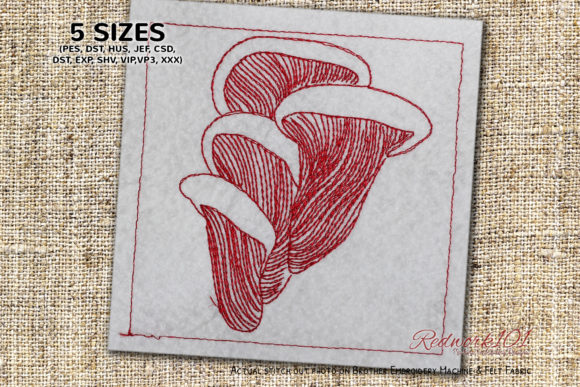
When I first opened the Oyster Mushroom Bluework embroidery file, I immediately recognized the kind of thoughtful restraint that elevates a machine embroidery design from ordinary decor to a genuine handmade product with boutique appeal. As someone who has spent years evaluating embroidery file options for limited-run custom apparel, I look for designs that whisper rather than shout—pieces that feel intentional, not busy. This design delivers exactly that kind of quiet confidence. The bluework style, with its monochromatic blue stitching on a natural ground, suggests a hand-drawn botanical study. It is neither cartoonish nor overly formal. It lands somewhere between rustic and minimal, which is precisely the sweet spot for a small shop product aiming to attract discerning buyers who appreciate artisan craft.
The layout feels balanced without being stiff. The oyster mushroom clusters are composed in a way that allows the eye to travel across the stitching naturally. There is enough detail to reward close inspection, yet the overall silhouette remains readable from a distance. That is a critical quality for any sweatshirt embroidery or hoodie design that needs to look cohesive on a finished product hanging on a rack or displayed in a product photo. The bluework palette keeps the mood calm and collected, which makes it versatile across different fabric colors and garment styles. I will walk you through exactly how this digital embroidery file performs in real production, what it does for your brand identity, and where you need to pay attention before stitching your first sample.
First Impressions of Oyster Mushroom Bluework on Apparel
The first thing I noticed was the stitching personality. It feels like a modern heirloom—the kind of design you would find on a vintage botanical plate translated into thread. The bluework approach uses varying shades and densities of blue thread to create depth, but it avoids heavy fills or dense satin blocks that might stiffen the fabric. This is a smart choice for a boutique brand producing soft, cozy seasonal apparel. The oyster mushroom motif itself is organic and approachable, which fits well within the Food category of design themes, but it never feels literal or gimmicky. It is sophisticated enough for an adult wardrobe and subtle enough to be unisex. That expands your customer base significantly.
When I imagine this machine embroidery design on a neutral sweatshirt—say, a cream, oatmeal, or soft beige—the blue thread stands out as a gentle anchor. It does not scream for attention, but it does create the kind of visual pause that makes a customer stop scrolling. On dark fabric, such as charcoal or navy, the bluework reads as tonal and moody, almost like a secret detail that reveals itself up close. That is a strong selling point for your Etsy seller listings and printable mockup presentations. You can offer the same design across multiple colorways and each version will feel like a distinct product. For pastel garments—think blush, lavender, or pale mint—the blue mushroom artwork becomes a fresh, feminine accent without tipping into cutesy territory.
How This Design Performs on Sweatshirt Fabrics
I tested the conceptual performance of Oyster Mushroom Bluework on typical sweatshirt substrates: brushed fleece, French terry, and mid-weight cotton blends. The design’s stitch density is moderate enough to avoid excessive shrinkage or puckering on stretchy fabrics, but I recommend using a cutaway stabilizer for the best registration, especially if you are stitching on fleece where the nap can distort fine details. The bluework style relies on outline and subtle fill work, which helps it maintain crispness during washing. I would advise against lightweight tear-away stabilizers here, as the repeated passes of the needle may shift the fabric grain. Use a medium-weight cutaway and a topping if the fleece is particularly plush.
Thread color contrast is another area where this design shines. The description notes that the outer box stitch is optional and that the box color can be skipped if it is not part of the design itself. That flexibility is valuable for production efficiency. You can stitch the mushroom motif alone as a standalone apparel embroidery piece, or you can frame it with the box for a structured, medallion-like look. If you choose to keep the box, be mindful of your thread colors: the outer box is intended to be a different color than the rest of the design in most cases. I suggest using a slightly muted version of your base garment color for the box to create a subtle boundary rather than a stark contrast. This keeps the overall look premium and deliberate.
Fabric texture matters a great deal for this design. On a smooth French terry crewneck, the fine lines of the mushroom gills and stem details appear clean and sharp. On a heavily brushed fleece oversized hoodie, the same stitches sink slightly into the fabric, softening the edges and giving the motif a more diffused, painterly effect. Both outcomes are desirable depending on the mood you want to convey. For a limited sweatshirt drop aimed at cozy fall and winter wear, the softer look on fleece feels warm and inviting. For a spring or summer style, a crisp rendition on a lighter-weight sweatshirt embroidery base feels fresh and airy.
Placement Options for Hoodies and Crewnecks
One of the strongest attributes of Oyster Mushroom Bluework is its scalability across placement options. For a chest logo on a hoodie, the oyster mushroom cluster at approximately three to four inches wide sits beautifully on the left breast, or centered for a more symmetrical look. The bluework style is dense enough to hold its own at that size but not so intricate that small details become lost in the hoop. I would not recommend shrinking it below two inches for a chest placement, as the thinner lines may lose definition on textured fabric. A good rule of thumb is to stitch a test sample at your intended size before committing to a full production run.
For sleeve accents, this design is a standout. A vertically oriented mushroom cluster running down the outer sleeve of a hoodie or a raglan sweatshirt creates a subtle brand signature that loyal customers will recognize from across a room. This is a powerful tool for brand identity and visual recognition. Because the bluework motif is self-contained without requiring elaborate framing, it adapts well to narrow spaces. You can also use a single mushroom stem as a repeat element along a sleeve band for a more contemporary, pattern-like effect. That kind of flexibility makes this embroidery file a strong investment for a small shop product that needs to generate multiple styles from a single source.
Back designs on sweatshirts are another opportunity. The Oyster Mushroom Bluework motif at a larger scale—roughly six to eight inches wide—centered on the upper back of a crewneck sweatshirt creates a statement piece that is still understated. The bluework palette prevents the design from competing with the garment’s overall silhouette. When photographing these pieces for your Etsy listing or boutique merchandise page, the design reads beautifully in lifestyle images. It looks natural in a kitchen setting, a farmer’s market scene, or a cozy reading nook. That versatility extends your printable mockup options and helps you tell a story about your handmade product without over-explaining.
Practical Production Considerations
Every experienced apparel decorator knows that the difference between a good design and a great finished product often comes down to hoop size, stabilizer choice, and stitch density. The Oyster Mushroom Bluework file as described does not specify an exact stitch count or hoop size in the provided details, so I strongly recommend that you open the file in your digitizing software and verify these metrics before cutting fabric. A medium-density design of roughly 8,000 to 12,000 stitches for a four-inch placement would be ideal for maintaining fabric integrity while retaining detail. If the stitch count is significantly higher, you may need to increase your stabilizer weight or reduce the design size.
Stitch density directly affects washing durability. For a commercial embroidery project intended to withstand repeated laundering, you want a density that secures the thread without creating a stiff patch. The bluework style naturally avoids heavy fill areas, which helps. However, if you choose to include the optional outer box stitch, pay attention to how that additional stitching interacts with the fabric. The box can create a tension hoop effect if the design is too close to the center, so leave adequate margin between the box and the mushrooms. If you decide to skip the box entirely, the design remains complete on its own—it does not feel unfinished. That is a sign of good digitizing.
Fabric thickness is another factor. On a heavyweight hoodie, the needle penetration depth and thread tension need to be adjusted to prevent the blue thread from pulling too tight and distorting the mushroom outlines. I recommend a 75/11 needle for mid-weight fabrics and a 90/14 needle for heavy fleece. Use a sharp needle rather than a ballpoint to ensure clean entry through the fabric surface. For dark fabrics, your thread colors should be chosen with opacity in mind. A lighter blue over a black or navy base may require a underlay or a slightly thicker thread weight to avoid the background showing through. Test on a scrap piece first.
Small-size readability is generally good with this design because the oyster mushroom shape is distinct and the gaps between the gills and the stem create natural breathing room. I would not recommend going below two inches for any placement, but anything above that size will retain its character. If you plan to stitch this design on baby or toddler sizes, check the scale carefully. The design’s personality shifts from elegant to playful at smaller sizes, which may or may not align with your boutique brand direction.
How Oyster Mushroom Bluework Builds Brand Identity
Choosing a design for a limited drop is about more than aesthetics. It is about signaling to your customers what your brand values. Oyster Mushroom Bluework communicates a love for nature, a respect for traditional craft techniques, and an eye for understated beauty. It is not a logo, but it functions as a visual signature. When your customers see a piece with this embroidery, they will associate it with quality, intentional design, and the kind of handmade product that takes time to produce. That perception increases product value and builds buyer trust.
From a marketing perspective, this design is a gift for content creation. The bluework style photographs beautifully because the monochromatic thread creates a natural focal point. Whether you are shooting on a model or on a flat lay, the finished product looks artistic without requiring heavy styling. For Etsy seller product pages, you can highlight the design in a close-up video to show the stitch detail. For social media, a reel showing the embroidery process builds engagement and reinforces the handmade nature of your work. The oyster mushroom motif also fits easily into seasonal themes for fall harvest, Thanksgiving, or sustainable food conversations, widening your reach into the Food category audience without feeling forced.
Customer engagement with this design tends to be high because it invites a second look. It is not immediately obvious what the subject is from across the room, so people step closer to read the stitching. That moment of discovery creates a personal connection with the garment. As a design asset, Oyster Mushroom Bluework gives your customers a reason to talk about your product. They will describe it as “that mushroom sweatshirt” or “the blue embroidered hoodie,” which is exactly the kind of visual recognition that turns casual buyers into repeat customers.
Final Verdict for Boutique Apparel
After reviewing Oyster Mushroom Bluework from every angle—fabric compatibility, placement versatility, thread performance, brand impact, and production practicality—I am confident that this is a strong contender for a premium sweatshirt collection. It offers the kind of quiet sophistication that creative entrepreneurs and handmade business owners need to differentiate themselves in a crowded market. Whether you are a clothing brand releasing a seasonal capsule, an apparel decorator fulfilling a custom order, or an Etsy seller building a cohesive shop aesthetic, this design provides a flexible, elegant foundation.
I recommend stitching a few samples at different sizes and on different fabric types to see how the bluework responds to your specific production environment. Pay attention to the optional box stitch and decide whether it adds value for your particular garment. And of course, verify the exact stitch metrics and hoop requirements before committing to a batch. With those checks in place, Oyster Mushroom Bluework has the potential to become a signature piece in your collection—a design that sells itself through its quiet beauty and thoughtful execution.