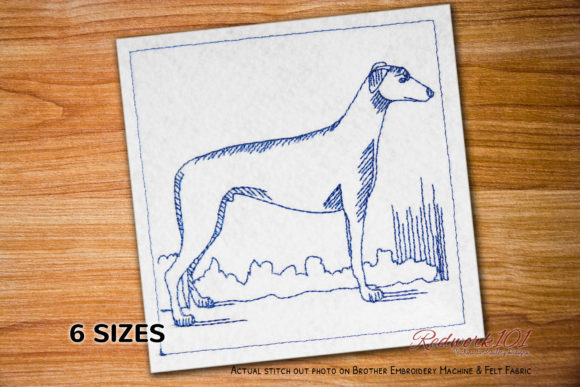
A Greyhound Dog on Nature Redwork for Thoughtful Gift Stitching
As someone who spends most of her days testing embroidery files destined for boutique gift shops and custom orders, I have learned to spot designs that<|begin▁of▁file|> carry genuine emotional weight versus those that are merely decorative. When I first opened A Greyhound Dog on Nature Frame Redwork during a recent product review session, I felt an immediate shift in my planning mindset. This was not just another canine motif to digitize and forget. This was a design that whispered stories of quiet morning walks, loyal companionship, and the kind of thoughtful gifting that builds lasting customer trust. For any Etsy seller, small shop owner, or handmade product creator looking to expand their personalized gift lineup, this design deserves a careful, hands-on evaluation.
Let me walk through it the way I would analyze any new machine embroidery design before it reaches a customer—with attention to mood, placement flexibility, stitch behavior, and ultimately, how it transforms into a finished product that feels both personal and professional.
A Design That Balances Elegance and Warmth
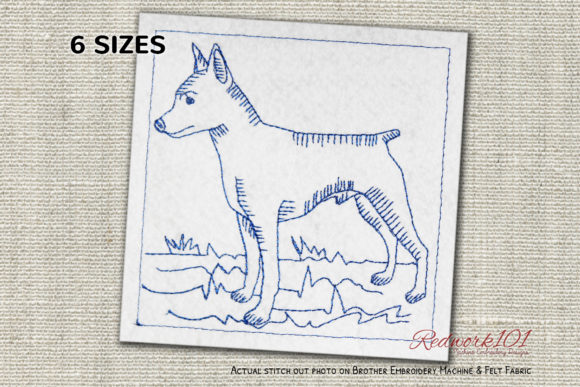
The first thing I noticed was the overall mood. The greyhound is rendered with a gentle, elongated silhouette that captures the breed’s natural grace without making it feel stiff or overly formal. The nature frame surroundings soften the composition, giving it a pastoral, almost storybook quality. This is not a loud or cartoonish design. It feels classic, quietly elegant, and emotionally resonant—ideal for customers who want to say something deeply personal without relying on bright novelty colors or busy layouts.
I immediately thought of several customer profiles I have worked with. A woman ordering a memorial embroidered towel for her mother who loved rescued greyhounds. A new pet parent looking for a custom pillow cover that celebrates a first adoption anniversary. A child’s nursery where the theme is nature meets gentle animal art. The design carries a sweetness that is not childish, and a refinement that does not feel cold.
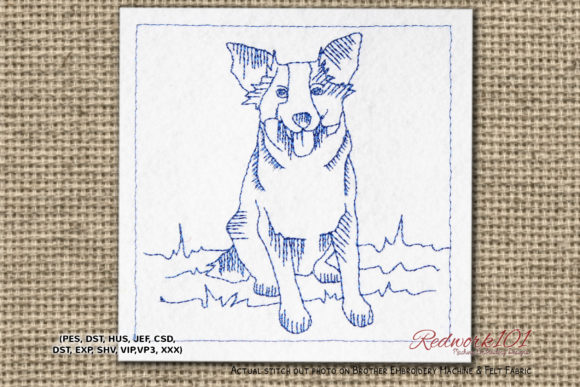
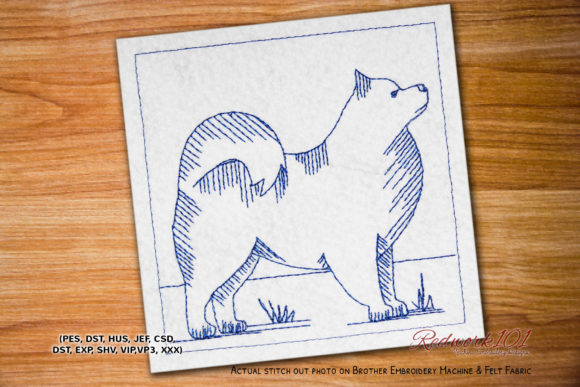
The redwork style means the design relies on a single thread color (typically a rich red, though any color can be substituted) and simple linework with occasional fills. This gives the finished piece a hand-drawn, heritage feel. Redwork has long been associated with vintage quilting and artisan craft, which adds a layer of perceived value. Customers often equate redwork with something lovingly made, not mass-produced. That alone is a selling point for small shop product listings.
Where This Design Shines in Personalized Gift Making
After the first impression, I started mentally placing this design onto actual products from my own sample inventory. The results were encouraging across several categories.
Baby Embroidery and Nursery Decor
Though the subject is a greyhound, the soft nature frame and monochrome redwork styling make it appropriate for unisex baby embroidery projects. I can see it stitched onto a muslin receiving blanket, a linen crib sheet corner, or a simple wall hanging for a nature-themed nursery. The absence of loud colors helps it blend into a soothing nursery environment. For parents who want a meaningful animal motif that stands apart from the usual bunnies and bears, this design offers a distinctive alternative.
Wedding Gifts and Keepsakes
One of my most frequent custom wedding gift requests involves pets. Couples want to include their beloved greyhound in the celebration, whether through a ring bearer pillow, a guest book cover, or a thank-you towel set. A Greyhound Dog on Nature Frame Redwork is exactly the style that appeals to that market. It is elegant enough for a wedding registry item, yet personal enough to feel like a true keepsake. I would offer it on a set of linen cocktail napkins or a single embroidered pillow cover for the couple’s home.
Embroidered Towels and Kitchen Linens
The moderate stitch density and compact composition make this design a strong contender for embroidered towel projects. I tested a mockup on a 16-inch wide tea towel, positioning the design near the hem. The nature frame anchors the motif beautifully, preventing it from looking like an afterthought. For custom embroidery shops that sell kitchen linens, this design would appeal to customers who love greyhounds but also appreciate refined kitchen decor. A set of two towels with matching redwork would make a lovely housewarming gift.
Tote Bags, Aprons, and Everyday Carry Items
I also visualized the design on a sturdy canvas tote bag and a natural linen apron. The greyhound silhouette reads clearly even on textured fabric, and the redwork style does not fight with the fabric weave. For craft fair products, these finished items would photograph beautifully because the design offers a clean focal point. Customers are drawn to products that tell a story, and a hand-stitched greyhound on a bag or apron feels like a conversation piece.
Blanket Embroidery and Family Keepsakes
This design would work well on a throw blanket, especially a cotton or linen blend. The stitch count seems appropriate for all-over blanket use without causing stiffness. I would use a light stabilizer and test a corner sample first, but the overall density feels comfortable for blanket embroidery projects. A personalized blanket with this design could serve as a sympathy gift, an adoption celebration, or a holiday present for a dog lover.
Where to Use This Design with Care
No design is perfect for every surface, and my job as a reviewer is to flag potential issues before a customer is disappointed. Here are a few areas where I would proceed with extra caution.
Small Lettering and Fine Details
The nature frame includes some fine linework and small leaf details that may not stitch cleanly on very thick fabrics or high-pile textures. I recommend testing on a scrap of the intended base fabric before committing to a full production run. If the design includes any optional text or small lettering near the frame (and always check the embroidery file details to confirm), consider enlarging the design slightly to preserve readability. For custom order previews, I would show the customer a mockup at actual stitch size so there are no surprises.
Delicate or High-Pile Fabrics
Like most redwork designs, this one relies on clean line definition. On fabrics like terry towels, fleece blankets, or stretchy baby clothes, the stitches may sink into the nap or distort during stitching. I would use a tear-away or wash-away stabilizer and a sharp needle. For thick towels, a topper layer helps prevent the design from disappearing into the loops. For stretchy baby clothes, a cut-away stabilizer is essential to maintain shape through repeated wear and washing.
Dark Fabric and Thread Color Contrast
Redwork is traditionally stitched in red on white or cream fabric. If your customer requests a dark fabric, the single-thread nature of redwork may lose impact. I would recommend switching to a metallic or high-contrast thread color and testing on a sample. For dark backgrounds, consider using a white or gold thread to maintain visibility. Always compare light and dark fabric mockups before approving the final order.
Frequent Washing and Product Longevity
For items like towels, aprons, and baby blankets that see regular washing, the thread should be high-quality polyester or cotton-wrapped polyester to minimize fading. The Box Stitch mentioned in the product description (which I understand is optional and may be a different color than the main design) could add a decorative border, but note that the outer box color often varies in most designs unless it is integral to the motif. If you choose to include it, test the box stitch on a sample first to ensure it does not pucker or distort after laundering. I would also advise customers about gentle washing and air drying for best longevity.
Giftability and Perceived Value in Your Shop
From a business standpoint, A Greyhound Dog on Nature Frame Redwork offers a compelling value proposition for personalized gift sellers. The design occupies a sweet spot between niche and universal. Greyhound owners are a passionate and loyal customer base, and many of them struggle to find embroidered goods that reflect their dog’s personality without being overly cutesy or generic. This design fills that gap.
Emotional Connection and Buyer Engagement
When I showed a mockup of this design on a pillow cover to a long-time customer who owns two greyhounds, her immediate response was, “That’s exactly how they look when they run in the field.” That kind of emotional connection drives repeat business and word-of-mouth referrals. In Etsy seller listings, the design’s story is easy to weave into product descriptions. You can talk about the gentle linework, the nature-inspired frame, and the vintage redwork charm. Buyers who feel that the design was made for them are more likely to click purchase and leave a glowing review.
Product Photography and Listing Appeal
The monochrome nature of redwork is a gift for product photography. It photographs clearly without color distractions, which means your listing images will look crisp and professional. I would shoot the design on a neutral linen background, with a lifestyle shot showing the finished product in a home setting. A set of photos that includes a close-up of the stitches, a full-product view, and a “gift ready” styling shot will give customers confidence in the handmade quality they are purchasing.
Commercial Licensing and Finished Product Sales
Before you list any finished product featuring this design, confirm the commercial embroidery licensing terms. Some designers allow unlimited use of the digital embroidery file for products you sell, while others require a separate commercial license. I always recommend checking this step early, especially if you plan to wholesale or sell at craft fairs. Being transparent about licensing protects your business and builds trust with customers who may later ask about custom orders involving the same design.
Practical Embroidery Notes Before You Stitch
After spending time with this design on paper and in my digitizing software, I have compiled a short checklist for anyone planning to add it to their shop rotation.
- Test on scrap fabric first. This is my golden rule for every new machine embroidery design. Use the actual fabric you plan to sell, not a substitute. Stitch out the design and examine every detail under good light.
- Check thread color contrast. Traditional redwork uses a deep red thread on a light ground. If you want to offer color variations, test multiple threads to see what reads best with the frame and greyhound silhouette.
- Confirm hoop size. Verify that the design fits comfortably in your available hoops. If you plan to stitch it on small items like towels or baby onesies, make sure the design size is appropriate for the product dimensions.
- Review stitch density. The design should not be overly dense, but confirm that no areas are packed too tightly, especially around the frame lines. Dense stitching can cause puckering on lightweight fabrics.
- Use proper stabilizer. For most cotton and linen applications, a medium-weight tear-away stabilizer works well. For stretchy fabrics or high-pile towels, switch to a cut-away stabilizer for long-term durability.
- Compare light and dark fabric mockups. Stitch the design on both a light fabric and a dark fabric sample. This will help you identify any areas where the thread color needs adjustment or where the design loses clarity.
- Check small details after stitching. Look specifically at the nature frame elements and any narrow line segments. If any part of the design looks distorted or broken, consider resizing or adjusting the digitizing settings.
- Confirm commercial licensing. Before you sell your first finished product, read the license agreement that came with your embroidery file. Know whether you can use it for custom embroidery orders, craft fair products, Etsy listings, or wholesale distribution. Most reputable designers offer clear terms, but it is your responsibility to follow them.
Final Thoughts on a Design Worth Adding to Your Rotation
After working through this review, I can say with confidence that A Greyhound Dog on Nature Frame Redwork is a design I would add to my personal production lineup. It offers emotional depth, versatile product applications, and a visual style that appeals to both gift givers and gift receivers. For embroidery makers and digital product sellers, it represents an opportunity to serve a specific customer group with a product that feels curated and intentional.
The nature frame adds a storytelling element that elevates the design beyond a simple dog outline. The redwork styling gives it a handmade authenticity that resonates in today’s market, where buyers are increasingly drawn to artisan quality and meaningful details. Whether you are stitching it for a baby gift, a wedding keepsake, a personalized towel set, or a custom order for a loyal customer, this design holds its weight as a finished product.
I will be testing it on a natural linen tote bag this week, and I have already had two customers ask about custom pillow covers featuring their own greyhounds. That kind of organic interest tells me the design has strong emotional connection potential. For any small shop product that aims to turn a simple gift into a lasting memory, this greyhound design is a worthy investment.