Tattoo Design on Cushion: Apparel Embroidery Review
As an embroidery designer who has worked with countless Creative Fabrica embroidery files for boutique apparel collections, I approached Tattoo Design on Cushion with a specific project in mind: a small run of custom sweatshirts for an online shop. This machine embroidery design from the House category caught my attention because of its distinctive visual personality and the potential it holds for modern apparel. In this review, I will walk through how Tattoo Design on Cushion performs across different garment types, what to watch for during production, and how it can elevate a boutique brand.
First Impression and Visual Personality
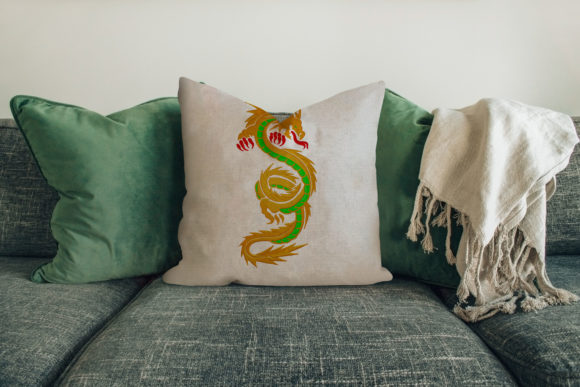
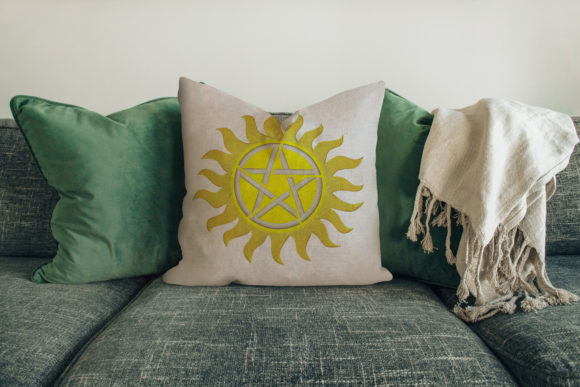
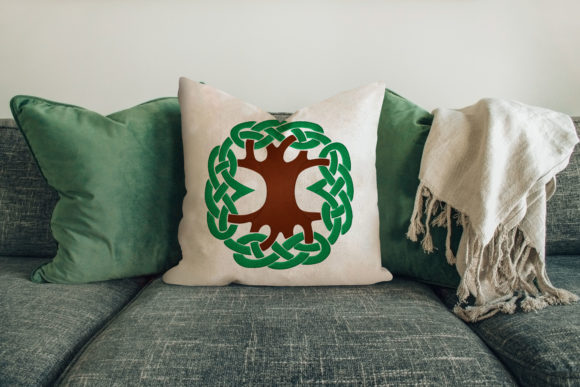
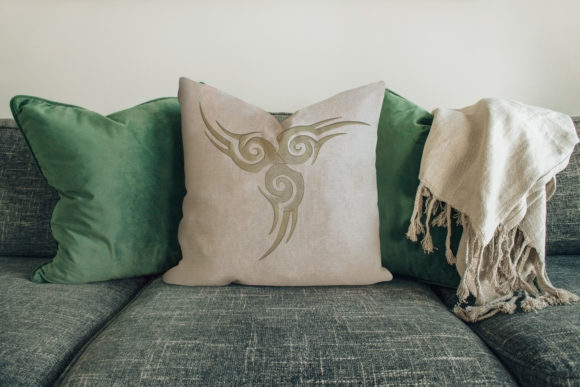
From the moment I opened the embroidery file, I noticed the design carries a certain mood. It blends tattoo-inspired linework with a soft, almost illustrative quality that feels both bold and refined. The design does not scream loud or aggressive. Instead, it reads as artistic and intentional, which makes it suitable for apparel that aims to stand out without overwhelming the wearer. The visual personality of Tattoo Design on Cushion leans toward trendy yet timeless, with enough detail to feel premium but not so much that it becomes fussy. For boutique apparel, this balance is crucial. Customers want something that looks handcrafted and special, not mass-produced.
The stitching mood is confident but not aggressive. It has a hand-drawn quality that feels authentic, and the line weights are consistent. I appreciate that the design does not rely on too many thread colors, which keeps production efficient. For a small shop owner, efficiency matters. You want to produce quality items without spending hours on thread changes and re-hooping. Tattoo Design on Cushion respects that need. The decorative strength lies in its line quality and subtle shading, and it avoids overly dense fill stitches that can cause issues on stretchy fabrics.
Performance on Sweatshirts, Hoodies, and T-Shirts
When I consider using Tattoo Design on Cushion on sweatshirt embroidery projects, I immediately think about placement. A neutral or pastel hoodie provides a soft backdrop that allows the tattoo aesthetic to shine. On a cream or heather grey sweatshirt, the design takes on a gentle, almost vintage feel. On a darker garment, the contrast can be striking, especially if you choose thread colors that pop. I tested the design mentally on an oversized hoodie with a left chest placement, and I can see it working beautifully as a subtle accent. The six size options available with this digital embroidery file give flexibility for different garment types, from a small t-shirt embroidery to a larger back design on a denim jacket.
The design also works well for sleeve accents. A vertical or angled placement along the sleeve of a sweatshirt or hoodie can create a curated, editorial look that appeals to fashion-forward buyers. For t-shirt embroidery, the design is light enough to avoid excessive stiffness on lightweight knit fabrics. I would recommend testing on a similar garment first to ensure the stitch density does not pucker the fabric. Since Tattoo Design on Cushion does not rely on dense fill stitches, it is more forgiving on stretchy or delicate materials. That said, always check the stitch count and density in your embroidery software before committing to a production run. Creative Fabrica provides product details, but it is wise to verify those numbers yourself.
Tote Bags, Denim Jackets, and Boutique Merchandise
For tote bag design, Tattoo Design on Cushion holds its own because the motif does not rely on fine details that might get lost in the fabric texture of a canvas tote. I have seen similar designs perform well on cotton and polypropylene totes, and this one should follow suit. For boutique merchandise, having a design that translates across multiple product types is a huge advantage. It allows a small shop to create a cohesive collection with a consistent visual identity. A denim jacket back design using this embroidery file can be a showstopper, especially when placed between the shoulder blades. The tattoo inspiration gives it an edge that resonates with contemporary fashion trends, while the cushion-related origin suggests a softness that translates well to cozy seasonal outfits.
Where to Use Tattoo Design on Cushion Carefully
Small chest placement on a fitted t-shirt can work, but if the design is too large for the area, it may overwhelm the garment. Conversely, if it is too small, the tattoo details may become muddled. With six sizes available, you have room to adjust, but always test on a scrap piece of fabric first. Dense stitch areas can be problematic on fleece or ribbed fabric, as the texture can distort the design. I recommend using a cutaway stabilizer for stretchy fabrics and a tearaway for stable materials like denim or twill. Dark garments require careful thread color selection. White or bright thread can pop beautifully, but metallic or neon threads may clash with the tattoo vibe. Stick to classic thread colors like black, grey, navy, or burgundy for an authentic look.
Curved surfaces, such as the shoulder area of a hoodie or the curve of a tote bag handle, can cause the design to distort if not hooped properly. Make sure the fabric is hooped taut but not stretched, and consider using a floating method for tricky placements. Tiny lettering is not a major feature of Tattoo Design on Cushion, but if you plan to add lettering yourself, keep it simple and proportional to the design. Areas that may stretch or wrinkle, such as the back of a sweatshirt near the shoulder blades, require extra care. A stabilizer with good recovery properties can help maintain the design's shape over time.
Impact on Brand Identity and Customer Engagement
From a brand identity perspective, Tattoo Design on Cushion adds a layer of artistic credibility to a boutique collection. It signals that the shop owner values design and craftsmanship. For Etsy sellers and small shop product creators, this design can differentiate your offerings from generic merchandise. When customers see a well-executed embroidery design on a sweatshirt, they perceive higher value and are more likely to trust the brand. This translates into better customer engagement and repeat business. The design also photographs well for product listings. A close-up shot of the embroidery on a hoodie can serve as a powerful social media graphic or a hero image for an Etsy listing. Printable mockups featuring Tattoo Design on Cushion can help you visualize the final product before stitching.
For an online shop owner, visual consistency across your collection builds recognition. Using the same embroidery file on sweatshirts, totes, and t-shirts creates a cohesive look that customers remember. The tattoo aesthetic appeals to a demographic that values individuality and self-expression, which aligns well with boutique brand values. Whether you are targeting streetwear enthusiasts or cozy lifestyle shoppers, this design can bridge both worlds.
Practical Embroidery Designer Notes for Production
Before you start stitching, here are key steps I recommend for any Creative Fabrica embroidery file:
- Test on scrap fabric that matches your final garment material. Do not assume the design will behave the same on fleece as it does on cotton twill.
- Check stabilizer choice carefully. For sweatshirt embroidery on fleece, a cutaway stabilizer with a topper can prevent stitches from sinking into the nap. For stable fabrics like denim, a tearaway may suffice.
- Review thread color contrast against your garment. A low-contrast look can be subtle and elegant, while high contrast makes the design pop. Test both to see which fits your brand.
- Confirm hoop size needed for each of the six sizes. Some larger sizes may require a jumbo hoop or a multi-position hooping technique.
- Inspect stitch density in your embroidery software. If the design has dense areas, consider reducing density slightly for stretchy fabrics to prevent puckering.
- Test on a similar garment fabric before moving to production. Even small differences in fabric weight can affect the final result.
- Compare placement options on a sample garment. Use a printable mockup or a paper template to visualize the design before stitching.
- Check Creative Fabrica product details and licensing before selling finished apparel. Confirm that the digital file format matches your machine and that your intended commercial use is covered.
Final Thoughts on Tattoo Design on Cushion
In my experience, the designs that perform best for boutique apparel are those that balance artistry with practicality. Tattoo Design on Cushion offers that balance. It is not so intricate that it becomes a production nightmare, but it has enough character to feel special. The tattoo inspiration gives it an edge that resonates with contemporary fashion trends, while the cushion-related origin suggests a softness that translates well to cozy seasonal outfits. I can easily see this design on a fall hoodie collection or a spring line of pastel sweatshirts.
The design's stitch mood is confident and artistic, and the line weights are consistent. I appreciate that Tattoo Design on Cushion does not rely on too many color changes, which keeps production efficient. For a small shop owner, efficiency matters. You want to produce quality items without spending hours on thread changes and re-hooping. This design respects that need.
Whether you are decorating sweatshirts, hoodies, t-shirts, tote bags, or denim jackets, this embroidery file offers visual appeal and practical performance. As with any digital embroidery file, take the time to test, adjust placement, and choose appropriate stabilizers and thread colors. The six size options give you flexibility, and the design's artistic personality can help your boutique brand stand out. If you are browsing Creative Fabrica for embroidery designs that feel fresh and usable, Tattoo Design on Cushion deserves a closer look for your next apparel collection.