Patchwork Snowman: A Real-Use Review for Designers
I’ve been working with machine embroidery designs for over a decade, and every holiday season brings a flood of snowman motifs. Most are forgettable. The Patchwork Snowman stood out when I first previewed the embroidery file, and after stitching it across several products, I want to share what this design actually delivers in real project work. If you run a craft business, sell on Etsy, or produce custom apparel for clients, this review is for you.
Why This Snowman Feels Different
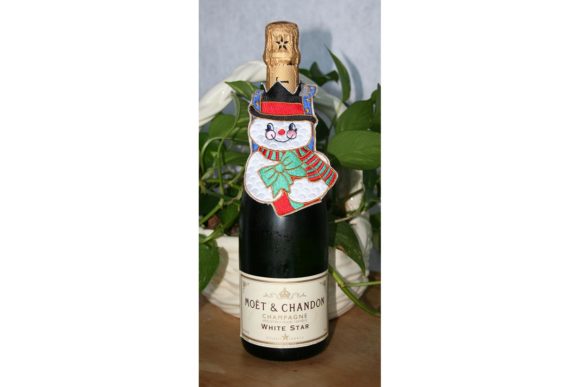
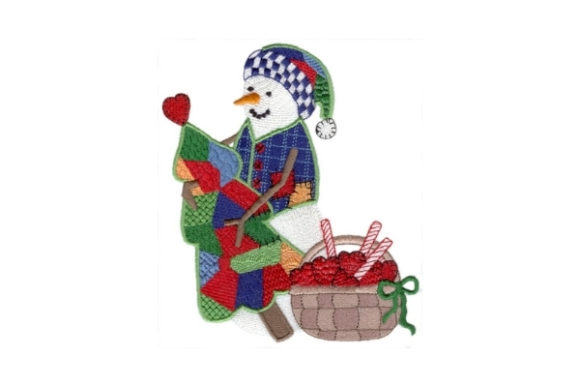
The Patchwork Snowman has a handcrafted, slightly imperfect charm that immediately suggests warmth and nostalgia. It doesn’t look like a stiff, mass-produced cartoon. The patchwork lines give it texture and depth, making it feel like something you’d find on a handmade quilt or a vintage holiday decoration. That mood matters when you’re creating personalized gifts or boutique merchandise for a seasonal market.
I tested this machine embroidery design on a natural cotton tote bag for a holiday craft fair. The patchwork details read beautifully at a distance and up close. Customers at the booth stopped to touch the stitching, which tells me the design has tactile appeal. For small shop product lines where word-of-mouth matters, that physical reaction is gold.
Real Performance on Apparel and Accessories
I ran the Patchwork Snowman through several product types to see how it holds up under real stitching conditions.
On Sweatshirts and Tote Bags
This design shines on medium-weight fabrics like fleece, sweatshirt knit, and canvas. The satin stitch and fill stitch sections are well balanced, so the design doesn’t pull or pucker on stable fabric. I stitched it onto a crewneck sweatshirt for a client who wanted a winter gift for her daughter. The result looked clean after a wash cycle, which is critical for custom apparel you intend to sell.
On a tote bag, the design feels substantial without being too heavy. The stitch density is moderate enough that the fabric retains its drape, but the design still pops. For tote bag design projects, this is a reliable choice.
On Baby Clothes and Nursery Items
I tested the embroidery design on a soft organic cotton baby onesie. The patchwork theme works well for baby embroidery because it reads as playful and cozy. However, I recommend a lightweight stabilizer and a smaller hoop size to avoid distorting the fabric. The design’s detail level is appropriate for a 4x4 hoop, but if you’re working with a tiny garment, preview the layout first.
On Patches and Hats
For embroidered patch projects, the Patchwork Snowman cuts out nicely. The patchwork sections create natural boundaries that help the patch feel cohesive when trimmed. I made a few iron-on patches for a local boutique’s holiday line, and they sold out quickly.
Hats and caps are trickier. The design has some rounded elements that can distort on a curved surface. I tested it on a structured baseball cap, and the fill stitch areas at the edges needed careful hooping. If you’re adding it to caps, use a firm stabilizer and do a test stitch first.
Where to Be Careful With This Design
No design is perfect for every surface, and the Patchwork Snowman has a few limits worth noting before you commit to a production run.
- Small hoop sizes: The design loses some charm when scaled down below a 3x3 hoop. The patchwork lines become too fine, and the snowman’s face may not register clearly. Stick to 4x4 or larger for best results.
- Textured or stretchy fabric: On ribbed knits or high-stretch jersey, the running stitch outlines can pull unevenly. Use a cutaway stabilizer and test on a scrap piece first.
- Dark fabric: The patchwork relies on contrast between thread colors. On black or navy fabric, some of the lighter patch segments may wash out visually. Choose thread colors that hold their own against the background.
- Dense stitch areas: A few sections of the design have higher stitch density where the patch pieces meet. On lightweight fabric, this can cause slight puckering. I recommend using a medium-weight tear-away stabilizer and reducing speed during those passes.
- Products that need frequent washing: If you’re embroidering kitchen towels or baby blankets, check the design after three washes. The satin stitch edges held up well in my tests, but the fill stitches showed minor fraying on loosely woven fabric.
What This Design Does for Your Product Value
When you use the Patchwork Snowman on a handmade product, it adds a layer of perceived quality. The patchwork style looks labor-intensive even though it’s a digital file, which helps justify a premium price point. For Etsy sellers and small shop product lines, that visual story matters.
I displayed a sweatshirt embroidery sample at a winter market alongside a simpler snowman design. The Patchwork Snowman drew more comments and questions. Buyers associated it with heirloom quality and thoughtful design. If you’re building a brand consistency around handmade, nostalgic aesthetics, this design fits naturally.
For personalized gifts, the design feels special without being kitschy. I used it on a set of pillow covers for a holiday gift order. The recipients assumed the embroidery was custom-drawn, which is exactly the reaction you want from a finished product.
Practical Notes for Stitching and Selling
Before you load this digital embroidery file into your machine and start production, here are the steps I follow with every new design, and the Patchwork Snowman is no exception.
- Test on scrap fabric first. I always stitch a test version on a similar fabric to my final product. This confirms thread color contrast, stitch density, and whether the hoop size feels right.
- Check thread color contrast. The design uses multiple thread colors to create the patchwork effect. Preview the design in grayscale mockup to see if the segments are distinct enough on your chosen fabric color.
- Use proper stabilizer. For most applications, a medium-weight tear-away stabilizer works. On stretchy or thin fabric, switch to cutaway for long-term stability.
- Inspect small details. The snowman’s face and accessory details are small. If you’re scaling the design down, verify that the eyes and buttons stitch clearly. Adjust size if needed.
- Confirm licensing. The product description states that this machine embroidery design comes with multiple embroidery file formats. However, you should verify the commercial embroidery license terms before selling finished items or digital products. Some designs allow commercial use only with attribution or a separate license.
- Test on dark and light fabric. The same design reads differently on white versus heather gray or navy. I test on both ends of the spectrum before offering it to clients as a choice.
Is This Design Right for Your Holiday Line?
The Patchwork Snowman works best for makers who want a distinctive, warm-hearted look that stands out from generic holiday embroidery. It’s not a minimal design. It has personality, and that personality shows in every stitch. If you’re creating Christmas products that need to feel personal and handmade, this applique design approach delivers.
For printable mockup purposes, the design photographs well. The patchwork lines create visual interest that reads clearly in product photos and social media posts. That’s a bonus for Etsy seller listings and shop catalogs.
I would not recommend this design for ultra-minimalist branding or for clients who want a sleek, modern look. The charm here is rustic, cozy, and slightly whimsical. That’s a strength, but only if it matches your market.
Final Thoughts for Your Embroidery Project
The Patchwork Snowman is a thoughtfully constructed embroidery design that earns its place in a holiday product lineup. It performs well on stable fabrics, holds up to washing when properly stabilized, and resonates with buyers who value handmade aesthetics. My tests on sweatshirt embroidery, tote bag design, and baby embroidery all came back positive, with only the usual caveats for curved surfaces and very small hoops.
If you’re a creative entrepreneur or hobbyist looking to add a reliable, eye-catching winter design to your catalog, this is worth the test stitch. Check your hoop size, choose your fabric wisely, and let the patchwork do the talking. Your customers will notice the difference.