Greetings Tree Design Review for Small Business Merch
First Impression and Visual Personality of Greetings Tree
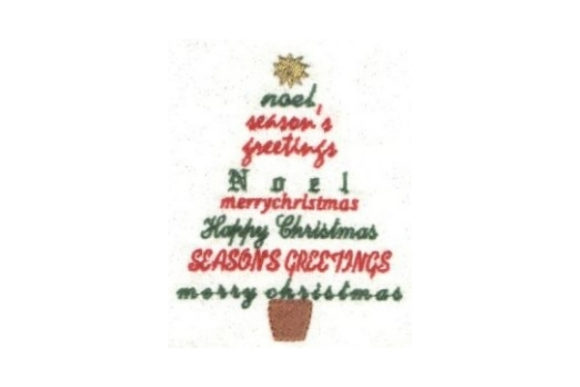
When I first opened the Greetings Tree machine embroidery design, I was struck by how well it balances a festive feel with a clean, professional structure. This is not an overly ornate or cartoonish holiday motif. Instead, it carries a friendly, rustic warmth that feels handmade without sacrificing polish. For a small business owner looking to add a seasonal touch to merchandise, this design offers a premium yet approachable look. It reads as both classic and slightly modern, which makes it versatile enough for a café, boutique, florist, bakery, or creative studio. The first impression is one of understated charm—it does not scream Christmas in a loud way, but rather suggests a cozy, welcoming spirit that aligns well with brand identity work.
What I appreciate as an embroidery designer is that Greetings Tree does not rely on excessive detail to make an impact. The silhouette and composition feel intentional, as if someone considered how it would translate to thread and fabric. That is rare in digital embroidery file offerings. Many designs look good on screen but fall apart in the hoop. This one gives me confidence that it will stitch out cleanly and hold its shape across different applications.
How Greetings Tree Performs Across Small Business Merchandise
When evaluating any embroidery file for commercial use, I always ask: will this work on a patch, a cap, a tote, and an apron? Greetings Tree passes that test surprisingly well. Its shape and density are suited for multiple placements without losing readability or visual weight.
Embroidered Patches and Branded Apparel
For patch production, this design holds up nicely. The tree form is distinct enough to read at a glance, even when scaled down for a small chest patch on a work shirt or a sleeve accent. I would confidently use it for staff uniforms at a coffee shop or a handmade boutique. The stitch density does not appear overly heavy, which means the patch will stay soft and flexible rather than stiff and bulky. That matters for customer comfort and wash durability. If you are producing embroidered patch merchandise for an Etsy shop or a local brand, Greetings Tree gives you a design that feels intentional and branded, not just decorative.
On custom apparel like hoodies, T-shirts, or flannel work shirts, the design works as a front chest logo or a back neck accent. It is not so large that it overwhelms the garment, but it has enough presence to be noticed. I would recommend testing it in a single thread color first—white on a dark uniform or deep green on a neutral base—to see how the shape communicates on its own. That is often the best test for brand readiness.
Cap Embroidery and Curved Surface Applications
Cap embroidery is one of the trickier applications for any design. The curve of the crown and the limited hoop space require a motif that compresses well. Greetings Tree handles this better than most. The vertical orientation of the tree works naturally on a cap front, and the overall shape does not rely on wide horizontal spans that would distort on a curve. I would keep the design moderate in size—not too large, not too tiny—and use a cutaway stabilizer to maintain crisp edges. For a bakery, florist, or pet brand wanting branded caps for staff or retail sale, this is a strong candidate.
Tote Bags, Aprons, and Product Accents
Tote bags and aprons are staples for small business merch. Greetings Tree sits beautifully on a canvas tote or a cotton apron bib. The design reads as a subtle brand mark rather than a seasonal decoration, which means it can stay relevant beyond the holiday window if the business wants to extend its use. On product packaging accents—think small labels, hang tags, or fabric swatches—this embroidery file can add a handmade touch that elevates the unboxing experience. For a bakery or a handmade soap brand, that small embroidered detail on a bag or wrapper can significantly boost perceived product value.
Where to Use Greetings Tree with Care
No design is universal, and Greetings Tree has a few areas where I would proceed with caution. The first is very small patch sizes. If you plan to embroider this under two inches in height, you may lose some of the branch detail and the overall tree shape may read as a solid blob. I would test it at your intended production size before committing to a large run. Similarly, on cap fronts, avoid shrinking it too much. Keep the design at a size where the negative space between branches remains visible.
High stitch density can be a concern with any embroidery design, and while this one appears balanced, I still recommend checking the stitch count and density map in your embroidery software before stitching. Dense areas can cause fabric puckering, especially on lightweight shirts or knit fabrics. If you are working with textured fabric like heavyweight canvas or fuzzy fleece, use a sharp needle and a firm stabilizer to keep the stitches clean. For dark uniforms, choose thread colors that pop—metallic gold, bright white, or a soft cream will give the best contrast and prevent the design from feeling muddy.
Finally, consider washability. Items that need frequent washing—aprons, staff shirts, caps—require a design that can withstand repeated laundering. The tree shape, with its open areas, should hold up well if you use quality thread and proper stabilizer. I suggest a test wash on a sample garment before selling to customers or issuing to staff.
How Greetings Tree Strengthens Brand Identity and Customer Trust
For a small business, every design on merchandise communicates something about the brand. Greetings Tree communicates warmth, quality, and seasonal relevance without leaning into kitsch. That balance is hard to find. When customers see a well-embroidered patch or apron accent, they register the attention to detail. It builds recognition and trust. A bakery that uses this design on staff aprons and retail totes tells customers, "We care about how we present ourselves." A florist that adds it to delivery bags signals professionalism and aesthetic consistency.
For handmade brands on Etsy or at craft fairs, using a cohesive embroidery design across multiple product lines creates visual consistency. Whether it appears on a cap, a tote, or a small decorative pillow, Greetings Tree ties the product lineup together. That consistency is what turns casual buyers into repeat customers. They remember the look. They associate it with quality. Over time, that builds a brand identity that stands out in a crowded marketplace.
From a buyer engagement perspective, designs that feel personal and crafted invite conversation. A customer might ask, "Where did you get that patch?" or "Did you embroider those aprons yourself?" That opens a door for storytelling about the business, the process, and the values behind the brand. Greetings Tree has that kind of approachable appeal.
Practical Embroidery Designer Notes for Production Success
Before you send Greetings Tree to production, here are a few steps I recommend based on years of working with machine embroidery design files:
- Test it in black and white first. Strip away the color suggestions and stitch the design in a single thread color. This reveals whether the shape and spacing are strong on their own. If it reads well in monochrome, it will shine in color.
- Check if it works at small patch size. Hoop up a sample at the smallest size you plan to sell or use. If the details blur or the tree loses its character, scale up slightly or simplify the design in your software.
- Review thread color contrast carefully. On light fabrics, use a medium or dark thread. On dark fabrics, use a bright or metallic thread. Avoid low-contrast combinations that make the design hard to read from a distance.
- Inspect spacing and underlay. Open the embroidery file in your digitizing software and look for gaps or overly tight areas. Good spacing ensures the fabric does not distort and the stitches nest cleanly.
- Confirm hoop size. Make sure the design fits within your available hoop sizes, especially if you plan to stitch multiple placements on a single garment.
- Test on real fabric. Do not rely on screen previews. Stitch the design on the actual fabric you intend to use. Cotton, canvas, denim, fleece, and cap mesh all behave differently. Use the appropriate stabilizer for each substrate—cutaway for stretch fabrics, tearaway for stable wovens.
- Create a printable mockup for client approval. If you are producing this for a client, show them a realistic mockup on their actual product. That saves headaches later and builds professional trust.
- Compare it beside other design assets. If the brand already has logos or motifs, place Greetings Tree next to them and evaluate visual harmony. Consistency across design assets strengthens brand identity.
- Confirm commercial licensing before business use. The product description indicates that this machine embroidery design can be used in multiple projects, but always verify that your intended use—selling finished products, producing merchandise for clients, or using on branded retail items—is covered by the license terms. Do not assume; check the seller's policy or contact them directly.
Final Thoughts on Greetings Tree for Commercial Embroidery
Greetings Tree is a solid choice for small business owners, embroidery shops, and handmade brands looking to add a seasonal yet professional element to their merchandise. It performs well across patches, apparel, caps, totes, and aprons. It supports brand identity rather than overwhelming it. And with proper testing and attention to thread color, density, and stabilizer, it can become a reliable asset in your product lineup. Whether you are stitching for your own café, a client's boutique, or an Etsy shop, this digital embroidery file deserves a place in your project folder. Just remember to test, verify licensing, and always stitch a sample before going to production. That is how you turn a good design into a great finished product.