Circus Seal Playing with Ball: An Embroidery Designer’s Review
As a professional embroidery designer who regularly sources machine embroidery design files for client projects and my own production line, I’ve learned that a pretty mockup doesn’t always equal a clean stitch-out. When I previewed the "Circus Seal Playing with Ball" on Creative Fabrica embroidery, I was immediately intrigued by its charming, old-fashioned circus aesthetic. This is an embroidery file built around texture and layering, specifically as an applique design. After running it through several real-world project scenarios—from custom apparel to handmade gifts—I wanted to share a practical evaluation for anyone considering this design for their own shop or small business.
First Impressions: Playful Mood and Decorative Appeal
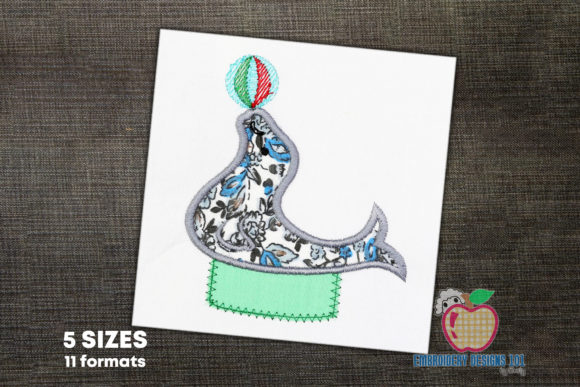
The visual mood of this design is pure whimsy. It captures a vintage circus vibe without feeling dated. The seal balancing a ball is a classic motif that translates beautifully into a tactile applique piece. In terms of stitching personality, the design relies on strong, clean shapes that work well with fabric layering. This is not an overly detailed, dense fill design; instead, it uses bold silhouettes that are ideal for an applique design. The decorative appeal is high for anyone creating themed products for children, nurseries, or seaside and carnival-inspired collections. It immediately felt like a natural fit for a baby blanket or a tote bag designed for a child’s birthday gift.
Why "Steps Are Separate" Matters for Production
One detail listed in the product description is that the steps are separate. For those new to commercial embroidery, this is a critical technical feature. A multi-step applique file stops automatically after the placement and tack-down stitches, allowing you to precisely trim your fabric layers. This single factor drastically improves the quality of the finished product. If you are running a handmade product business on Etsy or at craft fairs, this file structure saves you from manual trimming guesswork and ensures clean satin stitch edges every time. It signals that the digitizer considered real-world production workflows.
Best Project Applications for Real-World Sales
When I evaluate a digital embroidery file, I always consider its versatility across different blanks. The "Circus Seal Playing with Ball" design performs exceptionally well in several specific product categories.
Custom Apparel and Sweatshirt Embroidery
On a sturdy sweatshirt or a toddler’s t-shirt, this design feels right at home. The applique nature of the design means it maintains a soft feel compared to heavy fill stitches, which is perfect for garments that need to remain comfortable. I would confidently use this for a personalized gift like a birthday sweatshirt. The contrast between the seal and the ball allows for excellent visual pop, especially when using bright threads against a neutral garment base.
Tote Bag Design and Home Decor
This is where the design really shines. An organic cotton tote bag becomes a boutique-worthy item with this circus seal appliqued on the front. The bold shapes hold up well on canvas. For home decor, consider using it on a throw pillow cover or a nursery wall hanging. The applique adds a layer of texture that appeals to buyers looking for artisan-quality handmade products. It also performs well on kitchen towels and aprons for a themed kitchen, though I would recommend a tighter stitch density for items that will see frequent washing.
Caps, Patches, and Commercial Runs
Because the design is composed of distinct layers, it is an excellent candidate for an embroidered patch. Stitching it out on twill with a hot cut border makes for a durable patch that can be sewn onto caps, backpacks, or jackets. For custom apparel applications on curved cap surfaces, you will want to check the hoop size requirements carefully, but the central motif should fit well within a standard cap frame. The separate steps make it easy to manage the fabric layers on a curved surface without shifting.
Technical Deep Dive: Stitch Density and Construction
Before using any machine embroidery design for client work, I always review the technical construction. The "Circus Seal Playing with Ball" relies on a mix of running stitches for tacking and satin stitches for the final cover. The stitch density appears to be well-balanced for an applique file. It is not excessively dense, which reduces the risk of fabric puckering. However, it is dense enough to securely encase the raw edges of your applique fabric. I recommend testing the design on scrap fabric to check the pull compensation, especially if you plan to use textured fabrics like minky or fleece for the seal’s body.
Hoop Size and Stabilizer Choices
As with any digital embroidery file, you need to confirm the exact hoop size required on the Creative Fabrica product page before downloading. Based on the typical scale of such designs, it likely fits a 4x4 or 5x7 hoop. For stabilizer, I strongly recommend a cut-away stabilizer for knit fabrics and a tear-away for stable woven items like tote bags or towels. Using the proper stabilizer will prevent the satin stitches from pulling the fabric out of shape. If you are layering felt for the applique, a medium-weight cut-away works best.
Thread Colors and Fabric Contrast
The success of this applique design hinges on thread color contrast. A white or light grey thread for the seal paired with a vivid red or blue for the ball creates maximum visual impact. When selecting fabrics for the applique layers, consider using a fine cotton broadcloth for a crisp, professional finish. Flannel or felt gives a softer, more rustic look suitable for baby items. Always stitch a test sample to confirm the thread colors work harmoniously with your chosen base fabric and applique fabric. This step is crucial before producing a batch for an Etsy listing or a craft fair.
From Digital File to Valuable Finished Product
The transition from design assets to a profitable handmade product depends on how well you execute the finishing details. This design lends itself to high perceived value. Customers at boutiques or online appreciate the dimensional look of applique, especially when it is themed yet timeless. When photographing your items for a printable mockup or lifestyle shoot, the texture of the applique will catch the light and stand out against flat clothing. This naturally boosts customer engagement and buyer trust, as the product looks intentionally crafted rather than mass-produced.
For Etsy sellers and creative entrepreneurs, this design offers strong giftability. A circus-themed blanket or towel is a memorable gift. It also aligns well with brand consistency if you run a boutique focused on playful, vintage-inspired embroidery file collections. Before you start production, verify the commercial use license included with the Creative Fabrica embroidery download. This ensures you are legally covered to sell the finished product.
Actionable Advice for Testing and Production
- Test on scrap fabric: Always stitch a test sample using the exact fabric and stabilizer combination you plan to use for your final products. Check the alignment of the applique layers.
- Review stitch density: Confirm the satin stitches fully cover the raw edges without being too heavy. Adjust if necessary by changing the pull compensation in your embroidery software.
- Inspect small details: Look closely at the ball and the flippers. Ensure the connection points are secure and that the running stitches do not show through after the final cover.
- Compare light and dark fabric mockups: This design performs differently on dark backgrounds versus light ones. A light base typically makes the colors pop more than a dark one.
- Confirm file details: Check the embroidery file formats available to ensure compatibility with your machine. The product description notes multiple formats, but it is always wise to verify.
Ultimately, the "Circus Seal Playing with Ball" is a well-conceived applique design that fills a specific niche in the market. It is not a generic filler design; it has character and production-friendly construction. While it requires thoughtful fabric and stabilizer choices, it rewards the effort with a charming, durable, and marketable finished product. For designers and shop owners who serve the children’s or novelty apparel market, this is a solid addition to your library.