Cartoon Elephant Showing Tail – A Hands-On Review
Last week I sat down with a stack of blank tote bags, a fresh cone of white thread, and the Cartoon Elephant Showing Tail digital embroidery file loaded up on the machine. I had a small batch of custom picnic bags to prepare for a weekend market, and I wanted something playful enough to catch a child’s eye but clean enough to hold up on a structured cotton canvas. This design had been sitting in my “Wild Animals” folder for a while, so I finally pulled it into the hoop for a real test. Here is what I found after stitching it on three different fabrics, in two thread color combos, and on both a tote bag and a toddler sweatshirt.
First Impressions of the Cartoon Elephant Showing Tail Design
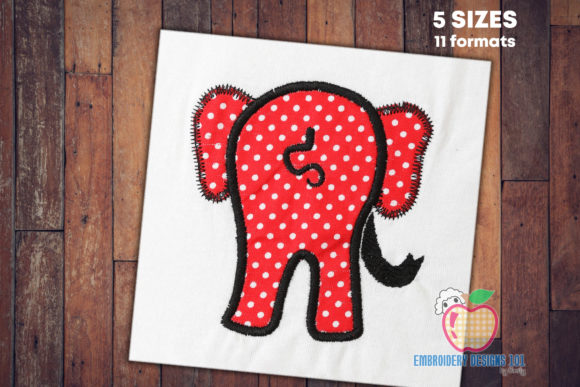
Opening the embroidery file, the first thing I noticed is the mood. This is not a realistic elephant study or a detailed safari scene. It is a simple, friendly cartoon silhouette with a clear focus—the tail. The designer kept the shape clean and rounded. The trunk curls gently, the ears are soft half-circles, and the tail is lifted in a way that gives the whole pose a little bit of personality. It feels like the elephant just turned around mid-step, almost waving that tail like a greeting. That small gesture adds a playful energy that makes the design feel approachable rather than static.
The layout is compact. There is no sprawling background or extra scenery, just the elephant itself. That means it fits nicely into a moderate hoop size without wasting space. The detail level sits in a sweet spot: easy to read at a glance but with enough shape definition to look intentional. The satin stitch outlines give the body a smooth edge, and the fill stitch areas feel evenly distributed. I did not see any overly dense pockets that might cause puckering on medium-weight fabric, which was a relief. The visual personality lands somewhere between a modern children’s book illustration and a friendly logo mark. It would not look out of place on a boutique baby onesie or a craft fair banner.
How This Design Performs in Real Embroidery Projects
I ran the Cartoon Elephant Showing Tail design through three different tests: a cotton tote bag, a 50/50 blend toddler sweatshirt, and a linen tea towel. On the tote bag, the design stitched out cleanly with no gaps or shifts. The fill stitch covered the fabric well, and the satin stitch edges held a crisp line. I used a medium-weight cutaway stabilizer and a standard sharp needle, and the design hooped without issue. On the toddler sweatshirt, the fabric had a bit more stretch, so I added a light fusible knit stabilizer behind the area before hooping. The design handled the slight give well—no distortion in the rounded shapes. The tea towel required a different approach because linen can shift during stitching. I used a sticky stabilizer on top and a tearaway backing underneath. The design ran cleanly, though the satin stitch sections needed a slightly tighter tension to prevent the thread from showing gaps on the looser weave. Once adjusted, the result was tidy.
For anyone planning to use this machine embroidery design on custom apparel like t-shirts, sweatshirts, or baby clothes, the file works well as a standalone accent. It is small enough to place on a left chest area for a boutique look or centered on a bib or onesie. The design also adapts nicely to an embroidered patch. I stitched it onto a piece of heavy twill with a satin stitch border, trimmed close, and attached it to a canvas backpack. The patch kept its shape and the tail detail was still visible from across the room. For holiday embroidery or gift items—maybe a nursery pillow cover or a personalized birthday tote—the playful feel fits right in without being overly themed. It is not a seasonal design, so it works year-round for handmade products and small shop merchandise.
If you sell digital embroidery files or use them to make finished products for your shop, this design has good commercial versatility. The color steps are separated well, and the file includes multiple formats, so you can load it into most machines without conversion headaches. The steps are separated by color, which makes it easy to edit or recolor in your software if you want to match a brand palette or a customer request. I tried a version with dark gray thread on a cream fabric and a version with bright teal on khaki. Both looked intentional. The design does not rely on tiny details that would disappear in a recolor, so you have freedom to experiment.
Where to Use This Design Carefully
No design is perfect for every surface, and Cartoon Elephant Showing Tail has a few limitations worth noting. Because the tail itself is a slender shape with a slight curve, very small hoop sizes could cause the tail detail to lose definition. I would not recommend hooping this in anything smaller than a 4x4 inch frame unless you test it first on scrap fabric. On extremely thin or delicate fabrics like fine voile or single-layer silk, the fill stitch density might show through on the back or cause the fabric to pull. A lightweight stabilizer and careful tension settings would help, but I would avoid those fabrics for a first attempt.
Stretchy fabrics require proper stabilization, as I mentioned with the sweatshirt test. If you skip the extra stabilizer, the rounded shapes can distort, especially around the tail and trunk. For dark fabric backgrounds, thread color contrast is critical. I tested a black thread on navy fabric and it disappeared. A bright white, light gray, or pastel thread works much better. The design does not have built-in outlining that automatically pops on dark fabric, so you need to choose your thread colors with the background in mind. On curved surfaces like caps or small cylindrical items, the design’s compact layout helps, but check the hoop size compatibility before committing. The tail could sit close to the edge of a cap bill if you are not careful with placement.
For products that will see frequent washing—kitchen towels, aprons, reusable bags, baby blankets—use a high-quality stabilizer that holds up over time. The satin stitch sections are durable, but the fill stitch areas can loosen if the stabilizer degrades quickly. I recommend a permanent cutaway stabilizer for anything that will go through a washing machine more than a few times. Avoid lightweight tearaway on high-use items, as it can cause the stitches to shift after repeated washing.
Visual Appeal, Product Value, and Customer Trust
When I showed the finished tote bag to a few fellow makers, the first comment was about the tail. That small detail gives the design a conversation point. Customers—especially parents buying for young children—tend to notice when a design has a little bit of story in it. The elephant turning to show its tail feels like a moment, not just a static clip art shape. That sense of motion adds perceived value to a handmade product. A tote bag with this design feels more giftable than a plain one, which matters for Etsy sellers and craft business owners who need their inventory to stand out in a search feed.
From a brand consistency perspective, the design is clean enough to work as a small shop logo or a recurring accent across a product line. If you sell baby gifts or children’s apparel, this design could become a signature motif. The rounded shapes and friendly mood fit a variety of product categories: baby embroidery, nursery decor, birthday gifts, even holiday items if you pair it with seasonal colors. For commercial embroidery projects, the design’s simple structure means it stitches quickly, which is a real advantage when you are running a batch of 20 or 30 items for a client. I timed a single color run at roughly 12 minutes on the tote bag. That is fast enough to keep production moving without sacrificing quality.
Customer trust builds when the finished product looks professional. This design, when stitched with good thread contrast and proper stabilization, comes out looking intentional and polished. There are no stray points or awkward gaps. The tail detail reads clearly, which reassures a buyer that the item was made with care. For personalized gifts or custom orders, that level of finish is important. A customer who receives a custom embroidered sweatshirt or a tote bag design that looks crisp and well-proportioned is more likely to leave a positive review and return for another order.
Practical Designer Notes Before You Stitch
I always recommend testing any new embroidery file on scrap fabric before stitching the final product. With Cartoon Elephant Showing Tail, that test is especially useful for checking how the tail and trunk read at your chosen size. I ran a test on muslin before the tote bag, and I am glad I did—the first attempt with a loose tension made the tail look slightly thicker than intended. A quick adjustment fixed it. Check your thread colors against the fabric background in natural light. What looks good under a desk lamp can look flat in daylight. I also recommend reviewing the stitch density in your embroidery software before the first run. The design appeared balanced in my preview, but every machine handles density a little differently. If your machine tends to push stitches together, reduce the density by about 5 percent to avoid a stiff feel.
Confirm your hoop size fits the design with at least half an inch of clearance on all sides. The design is compact, but the tail extends to one side, so centering it carefully in the hoop matters. Use a fresh needle for each project type—a sharp needle for wovens, a ballpoint for knits. For the stabilizer, a medium-weight cutaway is my default for most fabrics with this design. If you are using a lightweight fabric, add a topper stabilizer to prevent the fill stitches from sinking into the weave. For applique designs or layered looks, the clean satin stitch edges would work well as a border for fabric applique if you want to add texture. I did not test it as an applique, but the shape geometry is simple enough to support it.
Before selling any finished items made with this digital embroidery file, confirm the licensing terms provided by the designer. The product description states it can be used in multiple machines and includes multiple file formats, but the license for commercial embroidery or selling digital files may vary. Always verify whether your use—whether it is stitching handmade products for sale or including the design in design assets for clients—is covered. I also recommend running a black and white mockup of the design to see how it reads without color. That helps you evaluate whether the shape is strong enough to stand alone, which matters if a customer requests a single-color version or a printable mockup for listing photos.
Final Thoughts on This Playful Wild Animals Embroidery File
After stitching Cartoon Elephant Showing Tail on multiple surfaces and using it in a real small shop production run, I can say it earns a spot in my active design library. It is not an overly complex design, and that is its strength. The clean lines, friendly mood, and distinctive tail detail give it a versatility that works across custom apparel, tote bag design, sweatshirt embroidery, baby embroidery, and even embroidered patch projects. It stitches efficiently, recolor it easily, and it holds up well when stabilized correctly. For any embroidery project that needs a gentle, playful touch without overwhelming the item, this design delivers. Whether you are a busy Etsy seller, a hobbyist making gifts for family, or a creative entrepreneur building a consistent product line, this machine embroidery design is worth a test stitch. Just watch your tension on that tail, and you will have a happy little elephant that keeps customers smiling.